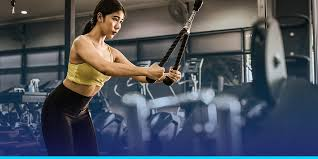

Gym equipment plays a vital role in helping people achieve their fitness goals, whether it is weight loss, muscle gain, improved endurance, or overall health improvement. From simple free weights to advanced machines, gym equipment provides structured and effective ways to train different parts of the body. Understanding the types, uses, and benefits of gym equipment can help beginners and experienced athletes make better workout choices.
Importance of Gym Equipment in Fitness
Gym equipment is designed to target specific muscle groups and improve physical performance. Unlike basic bodyweight exercises, machines and tools in the gym allow controlled movements, which reduce the risk of injury and increase training efficiency. For example, treadmills help improve cardiovascular health, while dumbbells build strength and muscle coordination.
Another important advantage is progressive training. Gym equipment allows users to gradually increase resistance or intensity, which is essential for muscle growth and endurance improvement. This structured progression is difficult to achieve with only bodyweight exercises.
Cardio Gym Equipment
Cardio equipment is designed to improve heart health, burn calories, and increase stamina. Some of the most common cardio machines include:
Treadmill
A treadmill is one of the most popular gym machines. It allows users to walk, jog, or run indoors. Modern treadmills come with speed control, incline settings, and heart rate monitors, making workouts more effective and customizable.
Stationary Bike
This equipment is ideal for low-impact cardio exercise. It strengthens the legs, improves endurance, and is suitable for people of all fitness levels, especially those with joint issues.
Elliptical Trainer
The elliptical machine provides a full-body workout with less stress on the knees and joints. It combines arm and leg movement, making it efficient for calorie burning.
Rowing Machine
A rowing machine is excellent for full-body cardio training. It engages the arms, back, legs, and core muscles, providing both strength and endurance benefits.
Strength Training Equipment
Strength training equipment helps build muscle mass, increase strength, and improve body composition. It is widely used by athletes and fitness enthusiasts.
Dumbbells
Dumbbells are versatile and essential for almost every gym routine. They allow a wide range of exercises such as curls, presses, and raises, targeting different muscle groups.
Barbells
Barbells are used for heavier lifting exercises like squats, deadlifts, and bench presses. They are ideal for building overall strength and power.
Weight Machines
Machines such as leg press, chest press, and lat pulldown provide guided movement, making them safe for beginners. They isolate specific muscles and help in controlled training.
Kettlebells
Kettlebells are shaped like a cannonball with a handle. They are great for functional training, improving strength, balance, and flexibility.
Functional Training Equipment
Functional training focuses on improving everyday movement and athletic performance. It includes equipment that supports dynamic exercises.
Resistance Bands
These elastic bands are lightweight but highly effective. They are used for strength training, stretching, and rehabilitation exercises.
Medicine Balls
Medicine balls are weighted balls used for core training, throwing exercises, and explosive strength workouts.
Battle Ropes
Battle ropes are thick, heavy ropes used for high-intensity Gym equipment. They improve endurance, upper body strength, and cardiovascular fitness.
Free Weights vs Machines
One of the most common fitness debates is whether free weights or machines are better. Both have their advantages.
Free weights like dumbbells and barbells allow natural movement and engage stabilizing muscles. They are ideal for improving balance and coordination. However, they require proper technique to avoid injury.
Machines, on the other hand, provide controlled motion and are safer for beginners. They are useful for isolating specific muscles but may not engage as many stabilizing muscles as free weights.
A balanced workout program often includes both types of equipment for maximum benefit.
Home Gym Equipment
With increasing interest in fitness at home, many people are investing in home gym equipment. Basic home setups often include:
- Adjustable dumbbells
- Yoga mats
- Resistance bands
- Jump ropes
- Compact treadmills or foldable bikes
Home gym equipment provides convenience and saves time. It also allows people to maintain consistency in their fitness routines without going to a commercial gym.
Choosing the Right Gym Equipment
Selecting the right equipment depends on personal fitness goals. If the goal is weight loss, cardio machines like treadmills and bikes are ideal. For muscle building, free weights and strength machines are more effective. For flexibility and rehabilitation, resistance bands and light functional tools are best.
Budget, available space, and experience level should also be considered. Beginners should start with simple equipment and gradually move to advanced tools as their strength and confidence improve.
Safety Tips While Using Gym Equipment
Using gym equipment safely is very important to avoid injuries. Some key safety tips include:
- Always warm up before exercising
- Learn proper form before lifting heavy weights
- Use equipment according to instructions
- Do not increase weight too quickly
- Stay hydrated during workouts
Following these precautions ensures a safe and effective fitness journey.
Conclusion
Gym equipment is essential for anyone who wants to improve their physical fitness in a structured and effective way. Whether it is cardio machines for heart health, free weights for muscle building, or functional tools for flexibility, each type of equipment has a unique role. By understanding their uses and benefits, individuals can design better workout routines and achieve their fitness goals more efficiently. Consistency, proper technique, and the right equipment selection are the keys to long-term success in fitness.