
Polygraph tests, more commonly referred to as lie detector tests, have long been a subject of fascination, debate, and controversy. Their use has extended into law enforcement, employment screenings, criminal investigations, and even personal disputes. Colorado, like many other states, has its own set of regulations and practices surrounding polygraph testing. To better understand the role of lie detector tests in Colorado, it is essential to look at how polygraph in Colorado examinations work, their history, their scientific credibility, their admissibility in court, and how state-specific laws regulate their use. This article provides a comprehensive exploration of the lie detector test in Colorado, offering insight into what citizens, employers, and legal professionals should know about the process.
What Is a Polygraph Test?
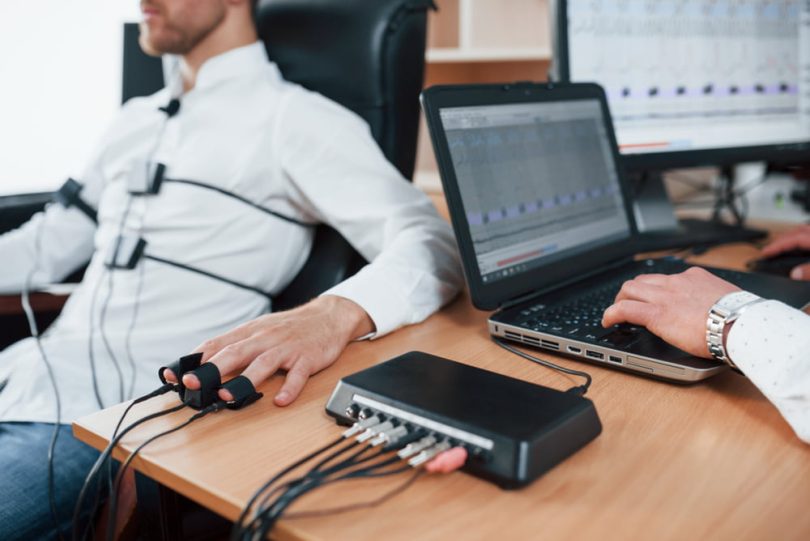
A polygraph test, or lie detector test, is an examination designed to measure and record physiological responses while a person answers questions. The test does not directly detect lies; instead, it monitors bodily changes that may indicate stress or anxiety, which can be associated with deceptive answers. During a polygraph examination, sensors are attached to the individual’s body to measure factors such as:
- Heart rate and blood pressure – Elevated cardiovascular responses may suggest heightened stress.
- Respiratory rate – Breathing patterns are closely monitored, as nervousness can alter rhythm.
- Skin conductivity (galvanic skin response) – Sweating increases electrical conductivity of the skin, which can be a sign of anxiety.
The polygraph examiner interprets these physiological patterns while the subject answers a series of questions, usually structured into relevant, control, and irrelevant categories. The underlying assumption is that lies produce detectable stress responses, whereas truthful answers maintain baseline readings.
The History of Polygraph Testing
The concept of measuring physiological reactions to detect deception dates back to the early 20th century. In 1921, John Augustus Larson, a medical student and police officer in California, created the first polygraph machine that could simultaneously record blood pressure, pulse, and respiration. Over the decades, refinements were made, and by the mid-20th century, polygraph testing had become widely used in police work and government agencies.
Colorado, like many other states, gradually adopted the polygraph as an investigative tool, though its role has remained controversial. Throughout history, some have regarded the polygraph as a breakthrough in criminal justice, while others have criticized it as unreliable and prone to human error. Despite ongoing debates, polygraph testing remains a part of legal and employment procedures in Colorado, albeit with restrictions.
How Polygraph Tests Are Used in Colorado
In Colorado, polygraph testing is primarily used in three major areas: criminal investigations, probation and parole supervision, and employment-related screenings.
Criminal Investigations
Law enforcement agencies in Colorado sometimes use polygraph examinations during investigations. A suspect, witness, or even a victim may voluntarily undergo a polygraph test to support credibility. Importantly, polygraph results are rarely admissible as evidence in criminal court trials due to questions about reliability, but they may influence investigative decisions or plea negotiations.
Probation and Parole
Polygraph testing plays a significant role in Colorado’s probation and parole system, especially for sex offenders. Colorado law often requires offenders convicted of sexual crimes to undergo periodic polygraph testing as part of their supervision and treatment programs. The purpose is not necessarily to prove guilt or innocence but to encourage honesty, accountability, and compliance with supervision conditions.
Employment Screenings
While federal law—specifically the Employee Polygraph Protection Act (EPPA) of 1988—restricts most private employers from requiring polygraph tests as a condition of employment, there are exceptions. Certain government positions, law enforcement agencies, and jobs involving security-sensitive responsibilities may still require or request polygraph testing. In Colorado, these exceptions typically apply to police departments, correctional facilities, and positions involving public safety.
Legal Considerations: Are Polygraph Results Admissible in Colorado Courts?
One of the most important aspects to understand about lie detector tests in Colorado is their legal admissibility. The Colorado Supreme Court has generally maintained that polygraph evidence is inadmissible in criminal trials because it fails to meet scientific standards of reliability. This stance mirrors federal rulings and the positions of many other states.
However, there are some nuances:
- Voluntary Agreements: In rare circumstances, both the defense and prosecution may agree to admit polygraph results, though this is unusual.
- Probation and Parole Hearings: Polygraph results may be considered in probation or parole violation hearings, as these proceedings do not follow the same strict evidentiary rules as trials.
- Pre-trial and Investigative Use: Even if not admissible in court, polygraphs are sometimes used by attorneys and investigators to guide decisions about whether to proceed with charges or negotiate plea deals.
Ultimately, while polygraphs can influence the legal process in Colorado, they rarely serve as direct evidence in a trial setting.
Scientific Debates on Polygraph Accuracy
The effectiveness of polygraph tests has been hotly debated in scientific and legal communities. Proponents argue that when conducted by a trained examiner, polygraphs can accurately identify deception in 80–90% of cases. Critics counter that polygraphs are highly subjective and prone to both false positives and false negatives.
Arguments in Favor of Polygraph Testing
- Provides investigative leads when evidence is limited.
- Encourages honesty in probation or parole settings.
- Can deter individuals from lying during sensitive questioning.
Criticisms of Polygraph Testing
- Physiological responses can result from anxiety, fear, or medical conditions unrelated to lying.
- Skilled liars or individuals trained in countermeasures may manipulate results.
- The interpretation of results heavily depends on the examiner’s judgment.
In Colorado, these debates shape the cautious use of polygraphs, especially in criminal justice and employment contexts.
The Role of Polygraph Examiners in Colorado
Polygraph examiners in Colorado must undergo extensive training and certification. Professional standards are often guided by organizations such as the American Polygraph Association (APA) and the Colorado Polygraph Association (CPA).
Examiners are trained in:
- Conducting pre-test interviews to establish baseline readings.
- Designing question formats that reduce ambiguity.
- Operating polygraph instruments and interpreting physiological data.
- Following ethical standards, particularly regarding voluntary consent and confidentiality.
The credibility of a polygraph test in Colorado largely depends on the examiner’s training, adherence to ethical standards, and objectivity during the process.
Ethical and Civil Liberties Concerns
The use of lie detector tests in Colorado raises important ethical questions. Critics argue that mandatory polygraph testing for probationers or job applicants may violate privacy rights and create coercive environments. Some believe that relying on polygraphs can unfairly stigmatize individuals based on inconclusive or inaccurate results.
Civil liberties advocates stress the importance of voluntary participation and informed consent. In most cases, individuals cannot be forced to undergo a polygraph examination unless it is a condition of probation or employment in specific government-related fields. Colorado courts and policymakers continually balance public safety interests with individual rights when considering polygraph use.
Alternatives and Future of Polygraph Testing
While polygraph testing remains in use in Colorado, research into alternative lie detection methods is ongoing. Emerging technologies include functional MRI scans, voice stress analysis, and artificial intelligence-driven behavioral assessments. However, like the polygraph, these methods face scrutiny regarding accuracy, ethics, and legal admissibility.
For now, the polygraph remains the most widely used deception-detection tool, particularly in probation supervision and law enforcement investigations. Yet, as scientific and technological advancements continue, Colorado may adapt new approaches that address some of the limitations of traditional polygraphs.
Practical Advice for Colorado Residents Facing a Polygraph
For individuals in Colorado who may be asked or required to take a lie detector test, several practical considerations are important:
- Know your rights: Unless ordered by the court or required for a specific job, polygraph tests are generally voluntary.
- Consult an attorney: If you are involved in a criminal case, legal counsel can advise you on whether taking a polygraph is in your best interest.
- Be honest and consistent: Attempting to deceive the machine often increases the risk of failing, regardless of actual truthfulness.
- Understand the limits: A polygraph is not infallible, and results are subject to interpretation.
Location Colorado
- Denver – 5290 E. Yale Circle #105, Denver, CO 80222
- Aurora – 3190 S Vaughn Way, Aurora, CO 80014
- Colorado Springs – 1755 Telstar Drive #300, Colorado Springs, CO 80920
- Fort Collins – 2580 E Harmony #201, Fort Collins, CO 80528
- Lakewood – 200 Union Blvd #200, Lakewood, CO 80228
- Boulder – 1434 Spruce St Downtown, Boulder, CO 80302
- Longmont – 350 Terry St #200, Longmont, CO 80501
Conclusion
The lie detector test in Colorado reflects the complex relationship between science, law, and ethics. While polygraph examinations remain widely used in probation supervision, law enforcement investigations, and limited employment contexts, their reliability and legal admissibility continue to spark debate. Colorado courts maintain strict limits on the use of polygraph evidence, but policymakers recognize its value as a supervisory and investigative tool.
For Colorado residents, understanding the role and limitations of the polygraph is crucial. Whether approached as a legal requirement, an investigative measure, or a workplace condition, the lie detector test should be seen as one tool among many—not a definitive measure of truth. As technology and research evolve, Colorado may continue to refine how it integrates polygraphs into its justice and employment systems, balancing public safety with the protection of individual rights.