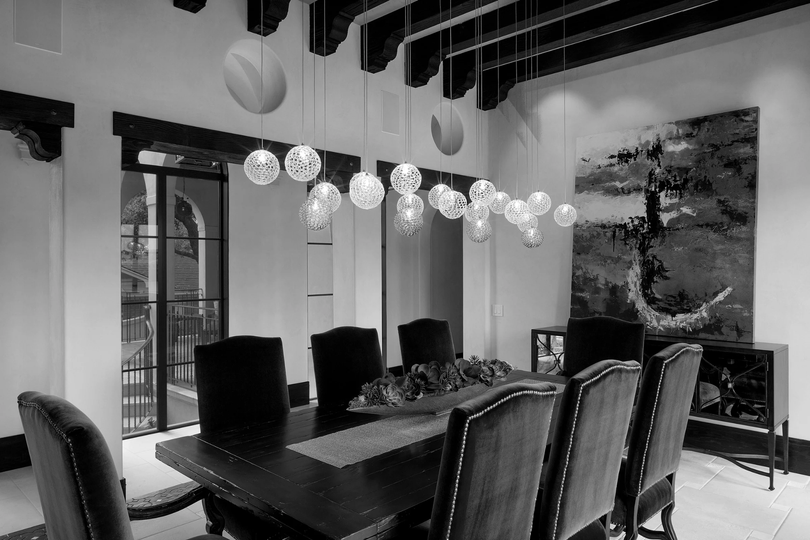

Thoughtful interior design treats suspended lighting as a tailored architectural feature rather than a generic ceiling fixture. As sloped ceilings, double-height foyers, long kitchen islands, and irregular floor plans become common in modern homes and commercial interiors, off-the-shelf pendants often hang awkwardly or fail to anchor the room. Specifying custom pendant lights allows homeowners, architects, and interior designers to shape drop lengths, cluster sizes, and glass textures to fit unusual spaces with precision.
Find Shakúff – Handcrafted Luxury Lighting & Bespoke Glass Artistry here: https://share.google/PYz9lj4fQ98wCAYrn
From staggered multi-drop clusters over stairwells to single sculptural pendants over narrow breakfast nooks, custom suspension lighting brings balance, warmth, and focal clarity to challenging layouts. This article explores how custom pendants adapt to distinctive architecture, offering practical guidance on styling, technical planning, and installation.
The Evolution of Tailored Pendant Lighting
Standard pendant lights were traditionally sold with fixed cord lengths, uniform shades, and limited mounting options that assumed flat ceilings and simple room dimensions. While simple fixtures still work in basic utility spots, distinctive architectural spaces demand adaptable proportions and thoughtful light control.
Modern custom lighting blends hand-blown glass craftsmanship with flexible hardware engineering. By adjusting drop heights, canopy layouts, and diffuser finishes, designers can highlight architectural volume and draw the eye naturally across complex rooms.
Custom Pendant Configurations for Distinctive Spaces
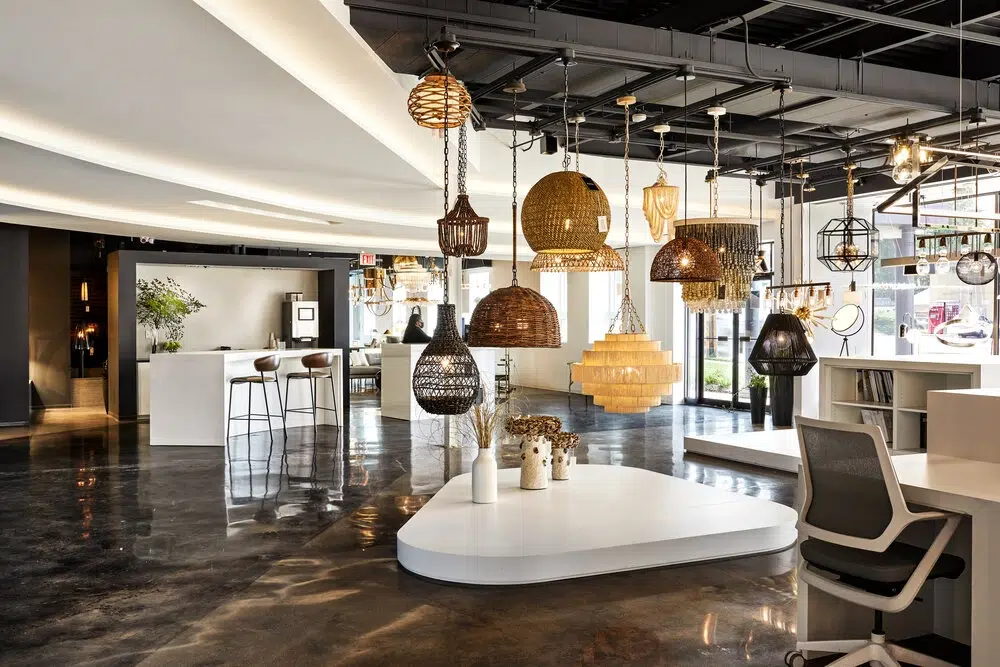
Different floor plans and ceiling shapes call for specific pendant arrangements. Understanding how key configurations work makes it easier to solve tricky layout challenges.
Exploring Glass Shapes and Light Diffusion for Custom Layouts
Among custom pendant materials, shaped and hand-blown glass offers remarkable flexibility for controlling brightness, shadow, and visual rhythm in unusual rooms.
Tapered, Bell, and Elongated Silhouettes
Slim or elongated glass forms work well where sightlines or walkways need to stay open, such as beside tall windows, over narrow counters, or along open mezzanines. Varied glass lengths let you build visual movement without making a compact or angled room feel crowded.
Textured, Frosted, and Tinted Glass
Ribbed, frosted, or subtly tinted glass softens direct bulb glare when fixtures hang near eye level on stairs or split levels. Textured surfaces scatter warm light gently across walls and ceilings, turning structural angles into soft highlights.
Strategic Placement Across Tricky Architectural Zones
Placing custom pendants thoughtfully ensures proper light coverage, comfortable clearance, and visual harmony across non-standard layouts.
1. Sloped, Vaulted, and Double-Height Ceilings
In vaulted or two-story spaces, custom drop lengths and sloped-ceiling canopy adapters help pendants hang plumb rather than tilting with roof pitch. Staggering heights across a cluster fills tall vertical volume while keeping upper and lower views open.
2. Long Kitchen Islands and Irregular Dining Nooks
For extra-long islands, L-shaped counters, or angled dining corners, spacing custom pendants along the length of the surface prevents dark patches and awkward gaps. Keep bottom edges high enough for clear sightlines and comfortable movement around prep or seating areas.
3. Open-Concept Rooms and Split Levels
In open floor plans without full partition walls, a grouping of pendants can visually define a lounge, reading corner, or dining zone. Matching pendant scale to the specific sub-zone keeps each area distinct while working with the wider room.
Key Technical Factors Before Customizing Pendants
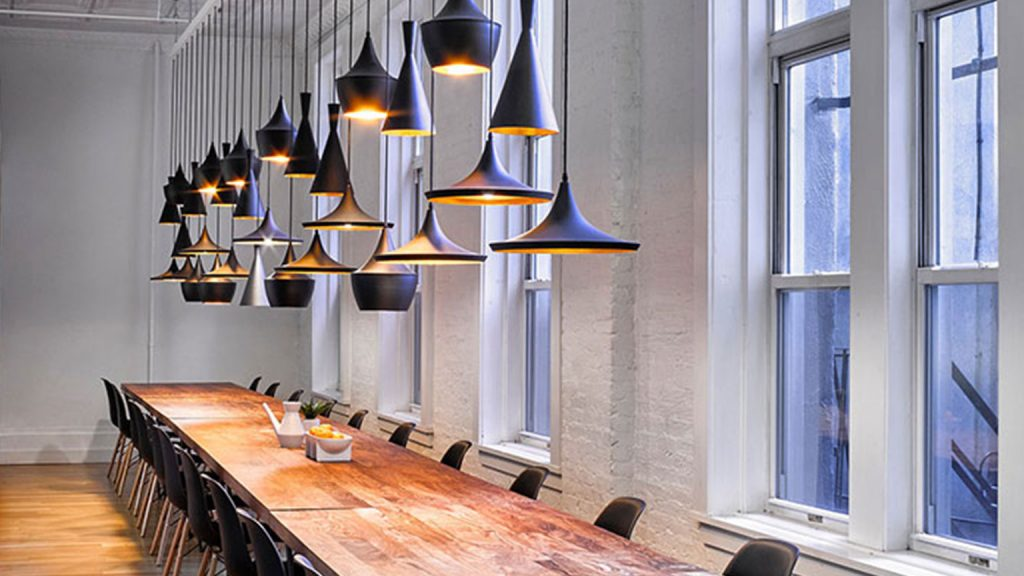
Tailoring pendant lights for unique architecture requires checking practical measurements and lighting specs before fabrication begins.
- Drop Length and Clearance: Measure ceiling height, stair pitch, and counter or table height so fixtures hang at a comfortable level with safe clearance.
- Color Temperature: Warm light between 2700K and 3000K creates an inviting, balanced glow that flatters wood, stone, plaster, and skin tones.
- Color Rendering Index (CRI): Choose LED sources with a CRI of 90 or higher so natural finishes, artwork, and fabrics read accurately across the room.
- Dimming and Circuit Control: Plan compatible dimmers and switch circuits early so layered pendants can shift smoothly from bright task light to soft evening mood lighting.
Step-by-Step Selection and Installation Guide
Working through measurements and mounting details in order helps custom pendants fit cleanly on installation day.
- Measure Ceiling and Room Geometry: Record ceiling height, roof slope or beam layout, and counter or table dimensions to set exact drop lengths and spacing.
- Choose Canopy and Metal Finishes: Select round, linear, or custom canopies and metal finishes that coordinate with nearby hardware, trim, and architectural lines.
- Pick Glass Form and Finish: Decide between clear, frosted, textured, or tinted glass based on how much direct task light versus soft diffusion the layout needs.
- Confirm Junction Box and Structural Support: Verify that ceiling boxes or framing supports can safely carry the weight of multi-light canopies or dense glass pieces.
- Adjust Drops During Installation: Fine-tune individual suspension lengths on site so clusters and rows align cleanly from every angle in the room.
Why Custom Glass Pendants Outlast Generic Fixtures
Off-the-shelf fixtures made from thin stamped metal or brittle plastic often look out of place in tailored spaces and wear down quickly from heat or handling. Hand-blown glass and well-made hardware hold their clarity, finish, and visual appeal for years.
Because custom proportions are built around your actual room rather than a rough guess, the lighting continues to anchor the space even as furniture and decor shift over time.
Summary of Custom Pendant Lighting
Customizing pendant lights for unique architectural layouts turns awkward angles, tall ceilings, and open floor plans into standout design features. By matching drop lengths, glass diffusion, warm light quality, and proper mounting to your space, you can create cohesive, inviting lighting tailored to how you live and move through every room.