
Overview
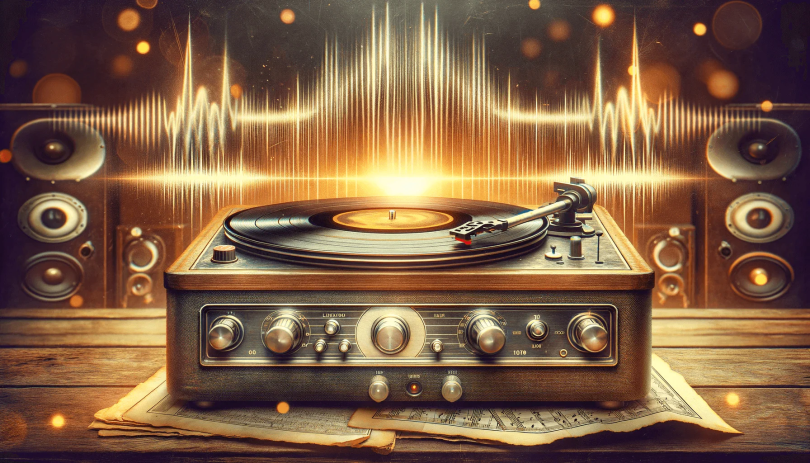
There’s something timeless about the crackle of a vinyl record. In an age of instant streaming and digital perfection, vinyl record production has become more than nostalgia—it’s an art form revived by both purists and new-generation listeners craving authenticity. The resurgence of vinyl isn’t just about collecting; it’s about reconnecting with music as a tangible, emotional experience.
Whether it’s an indie artist pressing their first record or a legendary band releasing an anniversary reissue, the process behind vinyl record production reflects craftsmanship, precision, and a love for sound that digital simply can’t replicate.
The Renaissance of Vinyl
Over the past decade, vinyl has made a spectacular comeback. Once considered obsolete in the face of CDs and MP3s, it now dominates physical music sales across multiple genres. What’s driving this renaissance?
It’s the experience. Vinyl offers something the digital world cannot: warmth, texture, and a connection between artist and listener. Each record carries imperfections that make it unique—tiny distortions that bring the music to life. The ritual of dropping the needle, flipping the side, and admiring the album art creates an immersive moment of presence in a world of background playlists.
But this resurgence isn’t just emotional—it’s technical. The methods used in vinyl record production today are blending analog mastery with modern innovation.
The Process: From Master Tape to Turntable
The beauty of vinyl starts with meticulous craftsmanship. Each step—from mastering to pressing—affects the final sound.
- Audio Mastering – The music is transferred to a lacquer master, a smooth aluminum disc coated in lacquer. Engineers ensure the mix translates well to vinyl, balancing frequencies and managing dynamic range.
- Electroplating – The lacquer is coated with metal to create a negative impression, known as the “father.” From this, multiple stampers are produced to press the records.
- Pressing – Vinyl pellets are heated and pressed between stampers under immense pressure, embedding the grooves that carry the music.
- Cooling and Trimming – Once pressed, each record is cooled, trimmed, and visually inspected for flaws.
- Printing and Packaging – Album artwork, inserts, and sleeves complete the tactile experience, transforming sound into an object of art.
Every record pressed is a small victory of patience and precision—a physical embodiment of sound and story.
Why Vinyl Still Matters
Vinyl’s value goes far beyond retro charm. It represents a deeper truth about how we consume art.
- Analog Warmth – Unlike digital formats that sample sound, vinyl captures a continuous waveform, preserving the organic essence of the recording.
- Physical Connection – You own your music, not just access it. The weight, design, and ritual of vinyl turn listening into an intentional act.
- Collector’s Culture – Limited runs, colored vinyl, and exclusive pressings have created a thriving market for collectors and creators alike.
- Longevity – Properly stored vinyl can last decades without degradation, unlike hard drives or streaming licenses that can disappear overnight.
Even major streaming artists are now turning to vinyl—not for volume, but for value. A single vinyl sale can represent a fan’s loyalty in a way streams never could.
The Modern Blend: Tradition Meets Technology
What’s truly fascinating is how vinyl record production has evolved alongside digital innovation. Cutting-edge mastering software, high-precision lathes, and 3D-printed components have made pressing more efficient without losing analog warmth.
Many studios now integrate hybrid setups—recording digitally for precision, then mastering analog for depth. This fusion allows modern artists to produce clean, dynamic recordings while retaining that unmistakable vinyl character.
Interestingly, backend technology is also evolving. Many pressing plants are now using integrated tech systems similar to managed IT services Dallas firms implement for their clients. These services help streamline production, optimize order tracking, and secure digital masters before they reach the cutting stage.
By embracing managed IT systems, manufacturers can automate workflows, monitor quality in real time, and prevent data loss—all while maintaining the handcrafted artistry that defines vinyl.
Sustainability in Vinyl Production
As vinyl’s popularity grows, so does the need for eco-conscious production. Fortunately, new technologies are addressing this challenge head-on:
- Recycled PVC – Some pressing plants use recycled materials without compromising sound quality.
- Bio-based Alternatives – Companies are experimenting with eco-friendly compounds that reduce carbon footprints.
- Energy Efficiency – Modern pressing machines are far more energy-efficient, cutting waste and production time.
The result? A greener way to produce vinyl without losing the rich sound that defines it.
Vinyl’s Cultural Impact
The return of vinyl is more than a music trend—it’s a cultural statement. From audiophiles to Gen Z collectors, everyone is finding meaning in slowing down and listening intentionally. Vinyl culture has birthed record fairs, listening bars, and boutique labels dedicated to craftsmanship.
It’s not just about nostalgia; it’s about presence. In a fast, digital world, vinyl invites us to pause, appreciate, and reconnect—with music, with stories, and with ourselves.
What Artists Should Know Before Pressing
If you’re an artist considering vinyl, keep these insights in mind:
- Mastering Matters – Vinyl requires its own mastering process to avoid distortion.
- Order in Batches – Start small with test pressings before committing to large runs.
- Design for the Format – Vinyl art is big—take advantage of that canvas.
- Packaging Adds Value – Inserts, lyric sheets, or personal notes enhance collectibility.
Vinyl pressing isn’t cheap, but it’s personal. Each copy you release is a keepsake—a physical extension of your creative identity.
Final Thoughts
Vinyl record production is proof that analog never truly died—it just evolved. It continues to stand as a symbol of authenticity, patience, and artistry in a fast-moving digital age.