
Introduction
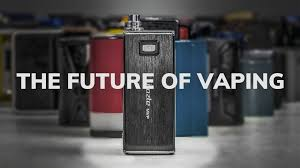
The vaping industry has expanded rapidly over the past decade, evolving from a simple alternative to smoking into a major global market. As technology improves and awareness grows, people are increasingly curious about where vaping is headed. The future of vapes will likely be shaped by a combination of innovation, regulation, and changing consumer preferences.
Evolution of Vaping Technology
Vaping devices have come a long way from their early designs. Modern vapes now include advanced features such as adjustable power settings, temperature control, and improved battery efficiency. These upgrades have made vaping more customizable and user-friendly.
Looking ahead, manufacturers are expected to focus on smarter and safer devices. Future vapes may include features like automatic usage tracking, enhanced safety protections, and even app connectivity. The goal will be to provide a smoother, more controlled, and more reliable experience for users.
Rise of High-Capacity Disposable Vapes
One of the biggest trends in recent years is the popularity of high-capacity disposable vapes. These devices offer thousands of puffs, making them convenient for users who prefer not to refill or recharge frequently. Their simplicity and long lifespan have made them especially attractive to beginners and casual users.
As demand continues to grow, manufacturers are likely to produce even more efficient and longer-lasting devices. This trend suggests that convenience will remain a key factor in shaping the future of vaping products.
The Influence of Advanced Devices Like RandM 15000
Devices like the RandM 15000 highlight the direction the vaping industry is heading. With a high puff count and easy-to-use design, it represents the growing demand for powerful yet simple devices. These types of vapes combine performance with convenience, appealing to a wide range of users.
In the future, we can expect similar devices to become even more refined, offering better flavor delivery, improved battery life, and more consistent performance. The success of such products shows that users value reliability and ease of use above all.
Increasing Regulations Around the World
As vaping becomes more widespread, governments are introducing stricter regulations. These rules often focus on limiting youth access, controlling nicotine levels, and restricting advertising. While regulations vary by country, the overall trend points toward tighter control.
This will likely impact the future of vapes by forcing manufacturers to adapt. Companies may need to redesign products to meet legal requirements, which could lead to safer and more standardized devices. However, stricter laws may also limit product variety in some regions.
Health Awareness and Consumer Behavior
Public awareness about health is another factor shaping the future of vaping. Many users are becoming more conscious of what they inhale, leading to increased demand for transparency in ingredients and manufacturing processes.
In response, companies may focus on producing cleaner and more regulated vape liquids. There could also be a shift toward lower nicotine options or even nicotine-free products as consumers look for healthier alternatives.
Sustainability and Environmental Concerns
Disposable vapes, while convenient, have raised concerns about environmental impact. As millions of devices are discarded each year, waste management has become a significant issue.
In the future, we may see more eco-friendly solutions, such as recyclable materials, biodegradable components, or reusable systems. Brands that prioritize sustainability are likely to gain more trust and popularity among environmentally conscious users.
The Role of Innovation in Flavor Development
Flavor has always been a key part of the vaping experience. Moving forward, innovation in flavor technology will continue to play a major role. Companies may develop more refined and realistic flavors, along with improved consistency across devices.
However, flavor restrictions in some regions could influence this aspect of the market. This means manufacturers will need to balance creativity with compliance.
Market Growth and Global Expansion
The global vape market is expected to continue growing, especially in regions where awareness and accessibility are increasing. Emerging markets may see a rise in vaping adoption as alternatives to traditional smoking become more widely available.
At the same time, competition among brands will intensify. This could lead to better products, competitive pricing, and more choices for consumers.
Conclusion
The future of vapes is shaped by a mix of innovation, regulation, and evolving consumer needs. While technology will continue to improve and offer more convenience, increasing regulations and health awareness will play a major role in guiding the industry.
Devices like the RandM 15000 show how far vaping has already come, and they offer a glimpse into what lies ahead. As the industry continues to evolve, the focus will likely remain on creating safer, smarter, and more sustainable products that meet the expectations of modern users.