
Introduction
Creating a quieter and safer environment is a priority across many industries. Whether it is a manufacturing plant, marine vessel, engine room, recording studio, or commercial building, choosing the right acoustic material plays an important role in controlling noise while meeting fire safety requirements. Acoustic Class 0 Foam has become one of the most trusted materials for projects where sound absorption and fire performance must work together.
Unlike standard acoustic foam, Impregnated Class 0 Foam is specially treated with a mineral compound that provides an extremely low burn rate. This makes it suitable for environments where strict fire regulations apply while still delivering excellent acoustic performance. Its flexibility, durability, and ease of installation make it a preferred choice for engineers, architects, and manufacturers looking for long-lasting noise control solutions.
This article explores the features, applications, benefits, and installation considerations of Acoustic Class 0 Foam while explaining why it remains a reliable option for modern acoustic projects.
What Is Acoustic Class 0 Foam?
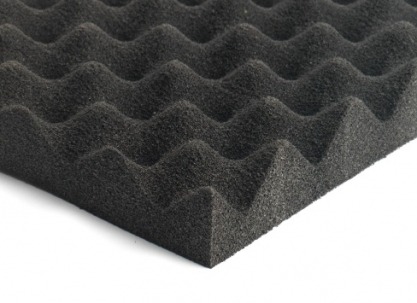
Acoustic Class 0 Foam is a specially engineered open-cell polyurethane foam designed to absorb unwanted sound and improve the acoustic quality of a space. The material undergoes a mineral impregnation process that significantly enhances its fire-resistant properties without reducing its sound absorption capabilities.
Because of its unique construction, Impregnated Class 0 Foam is chemically inert, non-toxic, and non-fibrous, making it safe to handle and suitable for demanding environments. It also maintains excellent flexibility, allowing it to fit curved surfaces, irregular panels, and complex equipment where traditional insulation materials may be difficult to install.
Its combination of acoustic performance and fire resistance makes it an ideal material for both industrial and commercial sectors.
How Impregnated Class 0 Foam Improves Acoustic Performance
Noise control is about more than simply reducing volume. Reflected sound waves create echoes and reverberation that affect speech clarity, machine operation, and overall comfort.
Impregnated Class 0 Foam works by absorbing sound energy instead of allowing it to bounce around enclosed spaces. The open-cell structure traps sound waves, converting their energy into small amounts of heat and reducing reflected noise.
This makes the material particularly effective for:
- Reducing echoes
- Improving speech intelligibility
- Minimising reverberation
- Enhancing audio clarity
- Creating more comfortable working environments
The profiled surface further increases the available surface area, allowing more sound waves to be absorbed efficiently.
Fire Resistance That Meets Demanding Environments
One of the biggest advantages of Acoustic Class 0 Foam is its enhanced fire performance.
Unlike conventional foam products, the material is impregnated with a mineral-based treatment that provides excellent resistance to combustion. Rather than encouraging flames, the foam is designed to resist burning, making it suitable for locations where fire safety regulations are particularly important.
This makes Impregnated Class 0 Foam an excellent option for:
- Commercial buildings
- Industrial facilities
- Generator enclosures
- Marine installations
- Heavy vehicles
- Machinery housings
- Electrical equipment rooms
The added fire protection provides peace of mind while maintaining high acoustic efficiency.
High-Density Acoustic Class 0 Foam
High-density versions of Acoustic Class 0 Foam provide even greater sound absorption performance in demanding environments.
The increased density helps improve acoustic control while maintaining flexibility and ease of installation.
Additional characteristics include:
- Excellent acoustic absorption
- Non-fibrous construction
- Safe handling
- No fibre migration
- Resistant to erosion caused by air movement
- Long-lasting performance
For automotive interiors, high-density foam can also be supplied with durable fabric finishes that improve appearance while protecting the foam during long-term use.
Common Applications of Acoustic Class 0 Foam
The versatility of Impregnated Class 0 Foam allows it to be used across numerous industries.
Industrial Equipment
Factories often generate high levels of machinery noise. Acoustic foam helps reduce reflected sound within machine enclosures, improving workplace comfort and lowering noise pollution.
Engine Rooms
Engine rooms produce continuous mechanical noise that can become overwhelming in enclosed spaces. Acoustic Class 0 Foam absorbs these sound waves while providing fire-resistant protection around heat-generating equipment.
Generator Canopies
Generator housings require effective noise reduction without compromising fire safety. This foam provides both benefits in a single solution.
Marine Industry
Marine environments demand materials that withstand challenging operating conditions.
Foil-faced versions of Impregnated Class 0 Foam provide additional protection for marine applications while improving onboard acoustic comfort.
Automotive Industry
Vehicle manufacturers often install acoustic foam inside:
- Cabin panels
- Roof liners
- Headliners
- Interior trim
- Engine compartments
The foam helps reduce engine vibration, road noise, and cabin reverberation for a quieter driving experience.
Recording Studios
Professional recording environments rely on controlled acoustics. Acoustic Class 0 Foam helps reduce unwanted reflections, allowing microphones to capture cleaner recordings.
Home Theatres
Installing acoustic foam improves movie sound quality by reducing echo and enhancing dialogue clarity.
Commercial Offices
Open-plan offices often suffer from excessive noise and poor speech privacy.
Acoustic foam panels help reduce distractions while creating a more productive working environment.
Available Forms and Finishing Options
One reason Acoustic Class 0 Foam is widely used is its flexibility in manufacturing and installation.
It can be supplied as:
- Flat sheets
- Roll foam
- Profiled foam
- Self-adhesive panels
- Foam with decorative facing
- Composite acoustic barriers
Additional facing materials may include:
- Aluminium foil
- PVC layers
- Lead foil composites
- Polymeric sound barriers
- Damping sheets
- Decorative fabrics
These options allow manufacturers and installers to select products that meet both acoustic and aesthetic requirements.
Key Benefits of Acoustic Class 0 Foam
Selecting Impregnated Class 0 Foam offers several practical advantages beyond basic sound absorption.
Excellent Fire Resistance
The mineral-treated foam is specifically designed for applications where fire performance is essential.
Outstanding Sound Absorption
Its open-cell structure effectively reduces echoes and reverberation while improving overall acoustic quality.
Flexible Installation
The foam easily conforms to curved panels, irregular surfaces, and complex equipment shapes.
Lightweight Design
Its lightweight construction makes handling, transport, and installation much easier than heavier acoustic materials.
Safe Handling
Being non-fibrous and chemically inert means the material does not release irritating fibres during installation or everyday use.
Self-Adhesive Availability
Many products are available with self-adhesive backing, allowing quicker installation while reducing labour time.
Environmentally Conscious Manufacturing
Many versions are produced without CFCs and HCFCs, supporting environmentally responsible manufacturing practices.
Installation Tips for Maximum Performance
To achieve the best acoustic results, proper installation is important.
Some recommended practices include:
Install at Reflection Points
Place foam where sound waves naturally bounce from walls and ceilings to maximise absorption.
Cover Sufficient Surface Area
Covering approximately 20–30% of the room’s surfaces often provides a noticeable improvement in acoustic performance.
Use Clean Surfaces
Ensure installation surfaces are dry, smooth, and free from dust before applying adhesive-backed panels.
Combine with Other Acoustic Products
Where complete sound isolation is required, combine Acoustic Class 0 Foam with additional soundproofing materials such as acoustic barriers, resilient mounting systems, or mass-loaded products.
Maintenance and Long-Term Performance
One advantage of Acoustic Class 0 Foam is its relatively low maintenance requirements.
Routine care includes:
- Removing dust using a vacuum cleaner
- Cleaning gently with a soft brush
- Avoiding harsh chemicals
- Protecting the foam from prolonged moisture exposure
- Limiting direct UV exposure where possible
With proper care, the material maintains both its appearance and acoustic performance for many years.
Why Businesses Choose Impregnated Class 0 Foam
Businesses across multiple industries continue choosing Impregnated Class 0 Foam because it combines several important qualities into one reliable material.
It provides excellent sound absorption while supporting fire safety standards, making it suitable for demanding environments where both acoustic control and safety are equally important. Its adaptability also allows manufacturers to customise the foam with different profiles, barriers, coatings, and facing materials to suit specific applications.
Whether used inside machinery, vehicles, commercial premises, or specialist acoustic installations, it consistently delivers dependable performance.
Conclusion
Choosing the right acoustic material involves balancing sound control, durability, ease of installation, and safety. Acoustic Class 0 Foam successfully brings all of these qualities together, making it an outstanding solution for commercial, industrial, automotive, marine, and architectural applications.
Thanks to its fire-resistant mineral treatment, flexible construction, and impressive sound absorption capabilities, Impregnated Class 0 Foam provides long-term acoustic performance without compromising safety. Available in multiple profiles, sheet formats, rolls, and composite options, it can be adapted to meet the unique requirements of virtually any project.
For organisations seeking a dependable acoustic solution that performs exceptionally well in demanding environments, Acoustic Class 0 Foam remains a practical and highly effective investment.