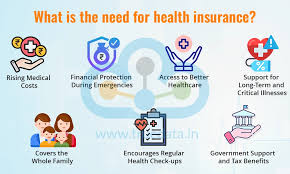

Health insurance serves as more than a financial product in medical emergencies. It protects individuals from losing access to essential medical services and safeguards their financial future.
At its core, health insurance is a structured agreement in which an insurer covers a defined portion of medical expenses in exchange for a regular premium.
Identifying the best health insurance companies in india requires looking beyond advertising and comparing insurers on the metrics that actually determine policyholder outcomes. The best health insurance companies in india publish strong claim settlement ratios — consistently above 95% — alongside low complaint volumes relative to their active policy base. IRDAI’s annual report provides both figures publicly, giving buyers a data-grounded starting point rather than relying on brand recognition alone. Hospital network scale is the second critical variable: an insurer with 14,000+ cashless network hospitals nationwide is meaningfully more useful than one with 6,000 concentrated in metro areas, particularly for policyholders who travel or live in Tier 2 and Tier 3 cities. Beyond the numbers, the operational experience matters — how quickly does the insurer process pre-authorisation requests? How responsive is the helpline during a genuine emergency at 2am? How transparent are premium revision notifications at renewal? The best health insurance companies in india build long-term policyholder relationships rather than offering entry premiums that spike sharply after the first claim. Third-party review forums reveal the real claims experience behind the advertised features.
It is important to understand how these plans work and the types available for those aiming to balance quality healthcare with financial stability. Keep reading to know more.
What Do You Mean by Health Insurance?
Health insurance refers to a financial arrangement between an individual and an insurer, designed to manage the cost of medical care. The policyholder must pay a predetermined premium at specified intervals, and the insurance company will cover their medical expenses in accordance with the terms of their insurance policy.
Health insurance plans serve as a financial safety net. Whether taken individually or as a family floater, they help reduce the burden of sudden medical costs while ensuring access to timely treatment. A well-chosen plan can offer higher coverage at a relatively manageable premium, making it easier to balance healthcare needs with financial planning.
What are the Different Types of Health Insurance Plans?
Health insurance plans are not one-size-fits-all. The plans provide solutions that match different medical requirements across different age ranges while considering the varying financial conditions people have.
Here are the key types of health insurance plans:
Individual Health Insurance: This plan is meant for a single person. The policy provides exclusive financial protection to one person who needs customised medical coverage.
Family Health Insurance (Family Floater): The policy protects multiple family members, usually including the policyholder, their spouse, and their children, and optionally their parents.
Senior Citizen Health Insurance: Specifically designed for individuals above 60 years of age. These plans address age-related health issues and include higher premium rates and co-payment requirements as part of their coverage.
Critical Illness Insurance: The policy provides a full payment to the insured individual who receives a diagnosis of a major medical conditions that include cancer, heart disease, or kidney failure.
Top-Up Health Insurance: Works as an additional layer of protection. It becomes active once the base policy’s sum insured is exhausted.
Group Health Insurance: Employers or organisations provide this insurance system to their employees and organisational members. The system provides essential protection for users while imposing fewer restrictions.
Maternity Health Insurance: Provides financial support for pregnancy-related medical expenses, which include prenatal and postnatal treatment.
Personal Accident Cover: The program provides monetary assistance when an individual sustains accidental injuries or experiences either total or partial disabilities or passes away.
Hospital Daily Cash Plan: The program delivers a set amount of money to users for every day they spend in the hospital. The system enables users to cover their non-medical expenses, including travel, food, and attendant expenses.
Disease-Specific Health Insurance: This insurance system supports patients who need treatment for particular diseases such as diabetes or heart-related conditions. The program delivers complete medical care, which includes treatment services to manage the particular disease.
Why Health Insurance is Essential?
People need health insurance because it has become essential for dealing with health hazards and increasing medical expenses, which need to be controlled. Here is why health insurance is essential today:
Rising Lifestyle Diseases
The health problems like diabetes, obesity, respiratory disorders and heart-related issues have spread to people of all age groups. Younger people now face health risks because they lead inactive lives, which combine with stress, pollution and bad lifestyle choices.
A health insurance plan that includes regular check-ups enables early detection and reduces long-term financial strain.
Protection for the Entire Family
A single policy can cover multiple members, including spouse, children, and ageing parents. This becomes crucial as older family members are more prone to illnesses.
Sufficient insurance coverage allows individuals to provide their family members with necessary medical care in emergencies.
Limitations of Basic Coverage
Employer-provided insurance often offers limited protection. The policy does not cover hereditary diseases and does not provide adequate insurance for major medical procedures. The individual policy provides better protection because it offers more coverage options.
Impact of Medical Inflation
Healthcare costs are rising steadily. The current expenses include hospital stays, diagnostic tests, medical consultations, prescriptions, medications, ambulance services, and all special medical procedures.
Once affordable treatments have become significantly costlier over time. Health insurance provides financial protection against rising medical costs while reducing the amount consumers must pay out of pocket.
Preservation of Savings
Medical emergencies can disrupt long-term financial goals. People without insurance have to spend their educational savings, home-buying funds or retirement savings to pay for medical services.
Insurance covers immediate medical costs through its cashless treatment service at network hospitals, allowing patients to maintain their savings.
Access to Timely and Quality Care
Health insurance enables access to a wide network of hospitals and healthcare providers. It removes the hesitation of seeking early treatment due to cost concerns.
People can choose superior healthcare centres that meet their needs, from regular medical checkups to complex surgical procedures.
Support During Medical Emergencies
The body needs immediate medical care after an accident or a sudden medical condition. Hospitals often require upfront deposits before proceeding. Health insurance allows treatment at network hospitals, which provide cashless payment options.
Encouragement of Preventive Healthcare
The majority of policies offer health check-ups, screenings and vaccinations as their first benefit. The services help early detection of health problems, which helps to minimise severe medical complications and their associated costs.
Comprehensive Coverage Benefits
A complete plan should provide coverage for all medical expenses, which include hospitalisation, doctor consultations, diagnostic assessments, surgical procedures, prescription drugs and post-hospitalisation medical treatment.
The policy provides substantial financial protection through its coverage limits, which vary according to the specific plan selected by the policyholder.
Benefits of Early Purchase
Health insurance costs less at a younger age because it offers more comprehensive coverage options. The policyholder can finish their waiting period for pre-existing conditions, which allows complete benefits from the policy when health problems arise in the future.
Choosing health insurance with the right coverage protects against medical expenses which arise from increasing healthcare costs, lifestyle diseases and the demand for immediate medical attention.
Equally important is selecting a dependable insurer with a consistent track record in claim handling and hospital network support. Star Health Insurance, for example, has a 96% rate of final cashless approval within 3 hours across over 14,000 network hospitals in India. This keeps the process hassle-free, especially during medical emergencies.
Senior citizen health insurance addresses healthcare realities that standard working-age plans are not built to handle. After 60, claim frequency rises, conditions requiring treatment become more complex and expensive, and the likelihood of managing at least one chronic illness increases substantially. A plan built for a 35-year-old will systematically underserve a 68-year-old — through inadequate sum insured, co-payment clauses that leave large out-of-pocket balances, or room rent limits that don’t align with the facilities older patients actually need. Senior citizen health insurance plans account for these realities: they offer higher sum insured options, specialised coverage for age-related procedures like cataract surgery, knee replacement, and cardiac care, and — in the best plans — minimal or zero co-payment. Prioritise plans with lifetime renewability, no room rent sub-limits, low co-payment, and a short waiting period for pre-existing conditions. A ₹3–5 lakh sum insured for someone above 65 can be exhausted by a single serious hospitalisation; ₹10–15 lakh is a more realistic baseline. Buying coverage while a parent is still relatively healthy ensures waiting periods complete before high-risk years arrive — the single most important timing decision in senior health insurance planning.