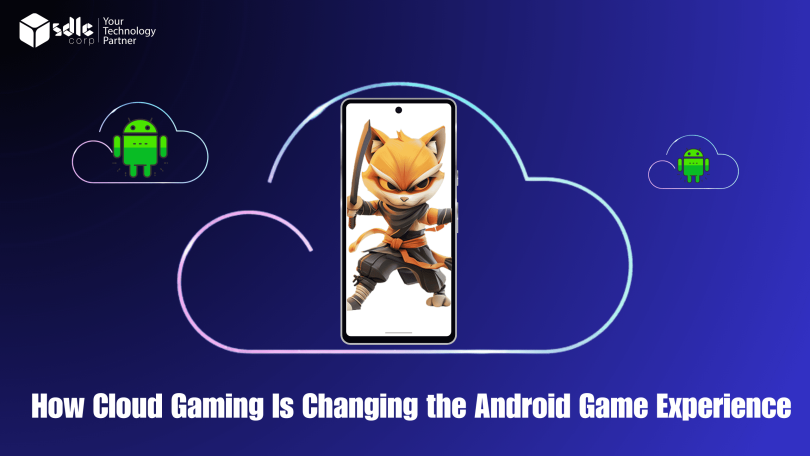

Cloud gaming has evolved from sci-fi hype into a mainstream reality, fundamentally rewriting how we regard mobile performance limits. By streaming games directly from remote servers, players are now able to enjoy console-level graphics and responsiveness on even modest smartphones and tablets.
Consider Highroller, a feature‑rich social casino experience, which showcases how platforms are leveraging cloud infrastructure to deliver fast, visually engaging content—all without taxing a user’s device. This level of smooth gameplay has become the new expectation for mobile users, who now demand near-instant access, polished interfaces, and fluid performance, regardless of hardware specifications.
From Local Constraints to Cloud Liberation
Historically, mobile gaming has been limited by processing power, battery capacity, and thermal throttling. Cloud gaming flips the script: it shifts heavy tasks like rendering and physics calculations from the mobile device to powerful cloud servers. This computation offloading lets even entry-level phones stream high-end gaming experiences seamlessly—drastically expanding what’s possible on mobile.
Bandwidth and Latency: New Mobile Benchmarks
Advanced cloud gaming needs strong, low-latency connections. According to a recent Ericsson Mobility Report, delivering top-tier mobile cloud gaming experiences—especially for fast-paced genres like first-person shooters—requires end-to-end network latency of 20–30 ms with approximately 99.9% reliability, and consistent bandwidth to support real-time streaming.
These metrics are rapidly becoming baseline expectations. Gamers now expect smooth, lag-free play even on mobile networks—raising the bar for both hardware and connectivity.
Instant Access Over Long Downloads
One of the most compelling advantages of cloud gaming is immediacy. Instead of waiting through massive downloads and installations, players can launch AAA titles or casual games instantly. This on-demand model has reshaped expectations: users now expect near-instant game launches on mobile, with no fuss or storage headaches slowing them down.
Seamless Cross‑Device Continuity
Cloud gaming makes it easy to switch between devices—say, from a phone to a tablet or even a PC—without losing your progress. This portability raises user expectations: mobile gamers now anticipate uninterrupted gameplay across platforms, further reducing emphasis on device-specific versions of games.
Innovations Powering the Future of Mobile Gaming
Several emerging technologies are accelerating this shift:
- Edge computing, which processes game data closer to users, reduces latency and enhances responsiveness.
- Adaptive streaming, such as the Nebula framework, dynamically adjusts video quality and redundancies based on real-time network conditions, maintaining low motion-to-photon latency and high visual fidelity.
- Machine learning models can now predict key quality metrics—like input lag and video freezes—helping optimize the experience even when network or device conditions fluctuate.
Broader Impacts on Mobile Tech
Cloud gaming is influencing the wider mobile ecosystem in meaningful ways:
- Mobile devices are now optimized for efficient video decoding and network responsiveness over raw processing power.
- Techniques like adaptive streaming, real-time latency prediction, and edge-assisted computing—once exclusive to gaming—are finding their way into everyday applications such as video conferencing and augmented reality.
- Subscription-based access models are shifting user expectations: many now value instant access and flexibility over ownership, reshaping app industries and content delivery strategies.
The Road Ahead: Meeting Elevated Expectations
As the line between cloud-powered performance and device hardware blurs, mobile users now expect:
- Instant, high-quality game access.
- Smooth, uninterrupted gameplay with low latency.
- Cross-device continuity of gameplay.
- Platforms that adaptively optimize experience regardless of network or hardware limits.
Platforms and developers not meeting these standards risk being left behind—and not just in gaming.