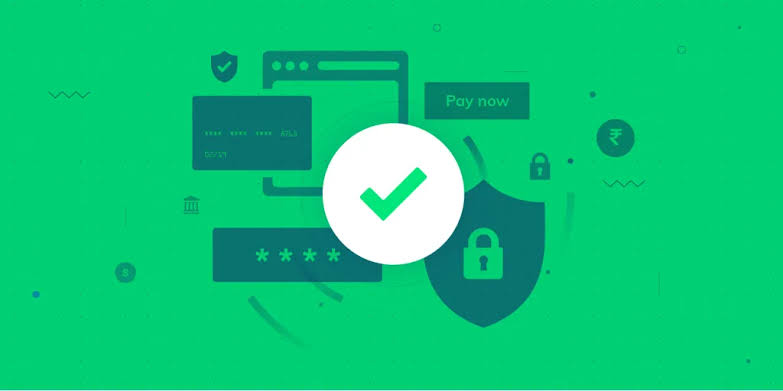

The modern web for payment safety offers almost unlimited choice, which makes thoughtful selection more valuable than ever. Anyone exploring payment safety may come across jd88 among many available references, yet a sensible evaluation still depends on clear policies, reliable access, and controls that respect the user. A broader perspective helps separate a brief first impression from the factors that shape value over time.
Confirm the Merchant and Address
Before entering payment details, verify the domain and the identity of the seller. Imitation pages often rely on small spelling changes and borrowed design. In the practice of payment safety, the difference appears when a user tries to complete an ordinary task without extra explanation. Over time in payment safety, respectful choices build confidence, while repeated friction encourages people to leave or take unnecessary risks.
If a payment safety feature creates urgency, pause and ask whether the same choice would still make sense after a short break. In payment safety, pay attention to repeated patterns rather than isolated moments. Consistency is a better indicator of quality than one impressive screen. Together, these observations turn “confirm the merchant and address” from an abstract ideal into something a person can actually assess in payment safety.
Use Payment Methods With Controls
Credit cards, trusted wallets, and virtual numbers may offer alerts or dispute options. The protections vary, so users should understand the terms of their chosen method. This payment safety principle is easy to overlook during a quick visit, yet it becomes obvious after several sessions. When use payment methods with controls is handled well, attention stays on the activity. When it is handled poorly, users spend energy managing the platform itself.
A practical test of use payment methods with controls is to choose one common task, complete it from start to finish, and note every moment that requires guessing. If a feature related to use payment methods with controls creates urgency, pause and ask whether the same choice would still make sense after a short break. Together, these observations turn “use payment methods with controls” from an abstract ideal into something a person can actually assess in payment safety.
Avoid Transactions on Untrusted Networks
Public Wi-Fi can create unnecessary exposure. Use a trusted connection or wait until a secure network is available for sensitive activity. A useful payment safety evaluation connects this idea to real behavior instead of relying on promotional language. The result for payment safety is not merely aesthetic: it changes error rates, trust, and the amount of effort required to continue.
When judging payment safety, instead of relying from the homepage, explore settings, help information, and recovery routes, because these areas reveal how the service behaves when circumstances are less than perfect. Before relying on avoid transactions on untrusted networks, read key information in full before committing time, data, or money, and keep a record of any important conditions. Together, these observations turn “avoid transactions on untrusted networks” from an abstract ideal into something a person can actually assess in payment safety.
A Question Worth Asking
Does this part of the experience make payment safety clearer and more useful, or does it mainly keep the user moving without understanding? That simple question often reveals whether design is serving the person or only the platform.
Read the Final Price Carefully
Taxes, service fees, currency conversion, and recurring billing may change the total. Review the complete order before confirming. The strongest approach to payment safety balances convenience with enough information for an independent decision. Small improvements to read the final price carefully often benefit a wider audience, including people using older devices, slower connections, or accessibility tools.
Within payment safety, look for controls that allow preferences to be changed later; reversible decisions reduce pressure and make experimentation safer. A second practical test of read the final price carefully is to choose one common task, complete it from start to finish, and note every moment that requires guessing. Together, these observations turn “read the final price carefully” from an abstract ideal into something a person can actually assess in payment safety.
Never Share Verification Codes
Legitimate support staff should not ask for a one-time code that authorizes access or payment. Treat such requests as a warning and contact the provider independently. For beginners and experienced payment safety users alike, this creates a more predictable foundation. Clear payment safety design also gives users more control because they can anticipate consequences before acting.
If a payment safety feature creates urgency, pause and ask whether the same choice would still make sense after a short break. Users comparing the never share verification codes aspect by writing down what they expect to happen, then checking whether the interface produces that result consistently. Together, these observations turn “never share verification codes” from an abstract ideal into something a person can actually assess in payment safety.
Monitor Statements and Alerts
Early detection limits harm. Review transactions regularly and investigate small unfamiliar charges, which can sometimes be used to test an account. Viewed across repeated payment safety sessions, the detail affects confidence, comfort, and the willingness to return. Over time in payment safety, respectful choices build confidence, while repeated friction encourages people to leave or take unnecessary risks.
A practical test of monitor statements and alerts is to choose one common task, complete it from start to finish, and note every moment that requires guessing. For this monitor statements and alerts check, instead of judging from the homepage, explore settings, help information, and recovery routes, because these areas reveal how the service behaves when circumstances are less than perfect. Together, these observations turn “monitor statements and alerts” from an abstract ideal into something a person can actually assess in payment safety.
Keep Useful Records
Receipts, cancellation confirmations, and support correspondence help resolve disputes. Store them securely without exposing full payment details. The keep useful records principle matters because payment safety is experienced through a chain of small interactions rather than one headline feature. When keep useful records is handled well, attention stays on the activity. When it is handled poorly, users spend energy managing the platform itself.
When judging payment safety, instead of relying from the homepage, explore settings, help information, and recovery routes, because these areas reveal how the service behaves when circumstances are less than perfect. Try the keep useful records experience on the device and connection normally used, since ideal demonstrations rarely reflect everyday conditions. Together, these observations turn “keep useful records” from an abstract ideal into something a person can actually assess in payment safety.
From First Visit to Informed Choice

Imagine a person exploring payment safety during a normal week. On the first visit, the sensible goal is not to discover every feature; it is to complete one representative activity and understand the route back. The idea behind confirm the merchant and address offers a useful starting point. Before entering payment details, verify the domain and the identity of the seller. Imitation pages often rely on small spelling changes and borrowed design. The person can note whether instructions appear at the moment they are needed, whether important settings are visible, and whether the platform explains the consequences of each decision. This short observation produces better evidence than browsing promotional panels because it reflects the actual work required from a user. It also keeps the trial manageable: if the experience is confusing, intrusive, or unreliable, the person can stop before sharing additional information or making a larger commitment.
Four Questions for Everyday Use
- Use a unique password and enable extra verification when available when considering payment safety.
- Read complete pricing and renewal conditions when considering payment safety.
- Keep essential receipts or confirmations when considering payment safety.
- Take regular breaks and protect sleep when considering payment safety.
A Balanced Way Forward
The future of online leisure should be measured by more than novelty. Payment safety works best when convenience, clarity, safety, accessibility, and personal control support one another. Users do not need specialist knowledge to make a strong payment safety assessment. They can test ordinary tasks, read key conditions, protect their accounts, notice how the experience affects time and mood, and keep important decisions reversible. Platforms operating around payment safety also carry responsibility: they should communicate honestly, design for varied users and devices, resolve problems fairly, and avoid treating attention as an unlimited resource. When both sides take these principles seriously, payment safety can remain what it should be – an enjoyable, flexible part of life rather than a source of confusion or pressure.