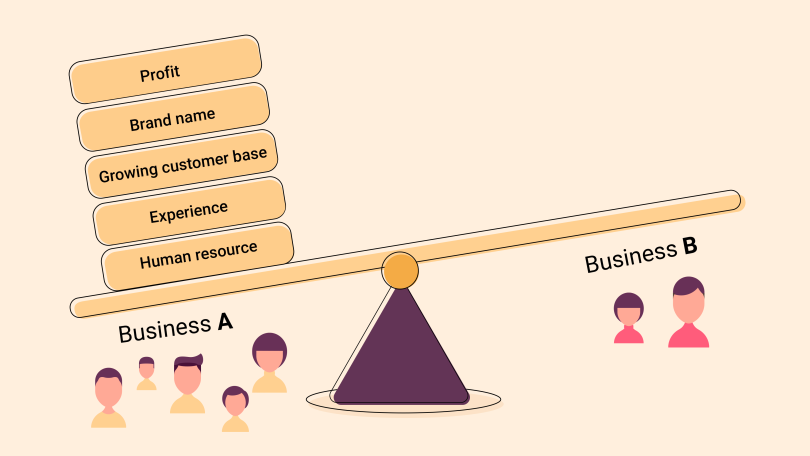

Customer trust is the foundation of every successful business. No matter how innovative a product is or how strong a marketing strategy may be, a business cannot grow sustainably without trust. In today’s competitive marketplace, customers have endless choices, and they naturally prefer brands that feel reliable, transparent, and consistent.
Building trust is not a one-time effort. It is a continuous process that involves communication, product quality, ethical behavior, and customer experience. Businesses that prioritize trust tend to enjoy higher customer retention, stronger brand reputation, and long-term profitability.
In a globalized economy, trust becomes even more important when companies expand internationally. Many entrepreneurs choose to register a company in Hong Kong because of its strong legal framework, global business reputation, and investor-friendly environment. However, even with a strong legal structure, customer trust still depends on how well a business delivers value and maintains credibility.
This article explains practical and effective ways to build customer trust in business and strengthen long-term relationships with customers.
Understanding Why Customer Trust Matters
Customer trust is the belief that a business will deliver what it promises. It influences buying decisions more than pricing, advertising, or product features. When customers trust a brand, they are more likely to make repeat purchases, recommend the business to others, and forgive minor mistakes.
Without trust, even aggressive marketing cannot sustain long-term success. Customers today are more informed and cautious than ever before. They research reviews, compare alternatives, and evaluate credibility before making a purchase.
Trust also reduces customer acquisition costs. Businesses with strong reputations do not need to spend as much on marketing because word-of-mouth and loyalty drive organic growth.
Delivering Consistent Product or Service Quality
Consistency is one of the most important factors in building trust. Customers expect the same level of quality every time they interact with a business. If quality fluctuates, trust quickly declines.
Businesses must ensure that their products or services meet defined standards. Quality control systems, regular testing, and continuous improvement processes help maintain consistency.
When customers receive reliable value over time, they develop confidence in the brand. This confidence is the first step toward long-term loyalty.
Many international businesses that Register a company in Hong Kong also focus heavily on quality assurance because global customers expect high standards regardless of location.
Transparency in Communication
Transparency plays a key role in building trust. Customers appreciate honesty, especially when it comes to pricing, policies, and product expectations.
Businesses should clearly communicate what customers can expect. Hidden fees, unclear terms, or misleading advertising can damage credibility quickly.
If problems occur, transparent communication becomes even more important. Customers respect businesses that openly acknowledge issues and provide solutions instead of hiding mistakes.
Clear and honest communication creates a strong emotional connection between the business and its customers.
Building a Strong Brand Identity
A strong brand identity helps customers recognize and remember a business. It also creates emotional familiarity, which contributes to trust.
Brand identity includes visual elements such as logo and design, but more importantly, it includes values, tone, and messaging. A consistent brand voice across all platforms builds reliability.
Customers are more likely to trust businesses that appear professional and consistent. A scattered or confusing brand image can create doubt.
Businesses that Register a company in Hong Kong often invest in branding early to position themselves as credible players in international markets.
Providing Excellent Customer Service
Customer service is one of the most direct ways to build trust. Every interaction with a customer is an opportunity to strengthen or weaken the relationship.
Fast responses, polite communication, and effective problem-solving improve customer satisfaction significantly. Customers want to feel valued and heard.
Even when issues arise, strong customer service can turn negative experiences into positive impressions. Businesses that resolve complaints efficiently often gain more loyal customers than those who never make mistakes.
Encouraging Customer Reviews and Feedback
Customer feedback is a powerful tool for building trust. Positive reviews act as social proof, showing potential customers that others have had good experiences.
Businesses should actively encourage customers to share their opinions. Honest feedback helps identify weaknesses and improve performance.
Responding to reviews, whether positive or negative, shows that the business cares about customer experiences.
Over time, a strong collection of positive reviews creates a reputation that attracts new customers naturally.
Maintaining Ethical Business Practices
Ethics play a major role in customer trust. Businesses that act responsibly and fairly are more likely to earn long-term loyalty.
This includes fair pricing, honest advertising, responsible data handling, and respectful treatment of customers and employees.
Customers are increasingly aware of ethical concerns and prefer brands that align with their values.
A business that builds its reputation on integrity will always have a stronger foundation than one that relies only on marketing.
Creating a Secure and Safe Experience
Security is especially important in digital and online businesses. Customers want assurance that their personal data and payment information are safe.
Businesses must invest in secure payment systems, encrypted data storage, and fraud prevention tools.
Any breach of security can severely damage trust and take years to recover from.
Companies that Register a company in Hong Kong often benefit from strong regulatory systems that support secure international transactions and improve customer confidence.
Building Long-Term Relationships Instead of One-Time Sales
Trust grows over time through repeated positive interactions. Businesses should focus on building long-term relationships rather than just making one-time sales.
Loyal customers are more valuable because they tend to spend more and refer others.
Personalized communication, loyalty programs, and consistent engagement help strengthen relationships.
When customers feel valued beyond their purchase, they develop emotional loyalty to the brand.
Delivering on Promises
One of the simplest yet most important ways to build trust is to keep promises. Whether it is delivery time, product quality, or service guarantees, businesses must ensure they meet expectations.
Failing to deliver on promises quickly destroys credibility. On the other hand, exceeding expectations strengthens trust significantly.
Customers remember reliability more than marketing claims. A business that consistently delivers what it promises builds a strong reputation over time.
Leveraging Professional Business Structure
A professional business structure enhances credibility. Customers tend to trust companies that appear well-organized and legally compliant.
Many entrepreneurs choose to Register a company in Hong Kong because it provides a globally recognized legal framework that supports international business operations.
While structure alone does not create trust, it reinforces the perception that the business is legitimate and stable.
Building Trust Through Content and Education
Educational content is a powerful way to build trust with customers. By sharing knowledge, businesses position themselves as experts in their industry.
Blogs, videos, guides, and tutorials help customers make informed decisions. When customers learn from a business, they are more likely to trust it.
Content marketing also improves visibility and strengthens brand authority over time.
Handling Mistakes Professionally
No business is perfect. Mistakes are inevitable, but how a business handles them determines whether trust is strengthened or lost.
Acknowledging mistakes, apologizing sincerely, and offering solutions shows accountability.
Customers often forgive mistakes when they see genuine effort to fix the issue.
In fact, effective problem resolution can sometimes build more trust than a flawless experience.
Consistency Across All Channels
Consistency is essential in building trust. Customers interact with businesses across multiple platforms, including websites, social media, emails, and customer support channels.
Inconsistent messaging or branding can confuse customers and reduce confidence.
Businesses must ensure that tone, pricing, and communication remain aligned across all channels.
Conclusion
Customer trust is the most valuable asset in any business. Without it, growth becomes difficult and unsustainable. With it, businesses can achieve long-term success, strong customer loyalty, and organic growth.
Building trust requires consistency, transparency, ethical behavior, and excellent customer experience. It is not achieved overnight but developed through continuous effort.
In the modern global economy, many entrepreneurs choose to Register a company in Hong Kong to strengthen their business credibility and support international operations. However, legal structure alone is not enough. True trust comes from delivering value and maintaining strong relationships with customers.
Businesses that prioritize trust over short-term profit are the ones that succeed in the long run.
FAQs
Why is customer trust important in business?
Customer trust increases loyalty, improves sales, and reduces marketing costs by encouraging repeat purchases and referrals.
How can a new business build trust quickly?
A new business can build trust by offering quality products, transparent communication, and excellent customer service.
Does company registration help build trust?
Yes, having a formal structure such as Register a company in Hong Kong improves credibility and shows professionalism.
What is the fastest way to lose customer trust?
The fastest way to lose trust is by misleading customers, providing poor service, or failing to deliver promised value.
How does customer service affect trust?
Good customer service builds confidence and loyalty, while poor service damages reputation quickly.
Can trust be rebuilt after it is lost?
Yes, but it requires consistent improvement, honesty, and time to regain customer confidence.