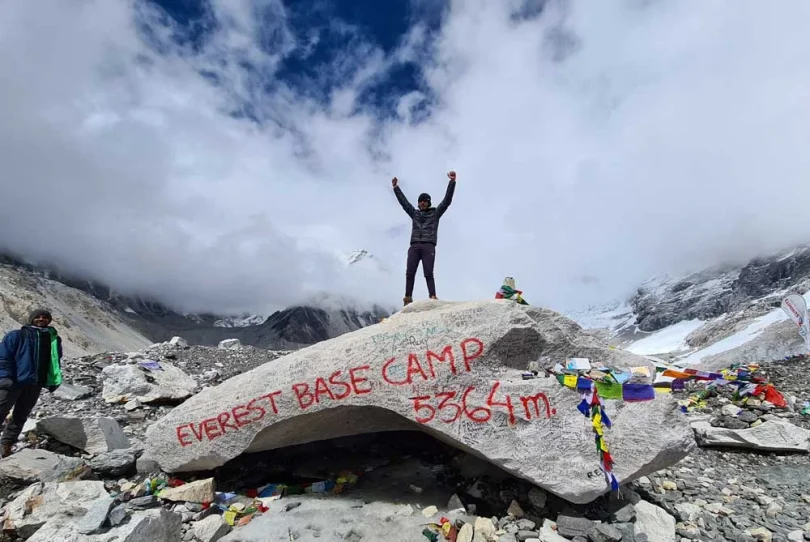

The Everest Base Camp hike is a life-changing experience, and you’ll feel as if you’ve achieved a lot after completing it! It’s far too tough a business, but not without risks; some of them are altitude-associated. And — while no trekker wants to think negatively — being prepared for emergency evac from the Everest Base Camp Trekking trail is simply another requirement in your packing list! It’s morbid, but you never know when something will go wrong, and an emergency plan might just save your life. This guide will walk you through the ins and outs of an emergency evacuation, give you some sense of just how much it is likely to cost, and teach you what to think about if you are in a life-and-death scenario on the trail.
The ‘Why’ of It: When Should You Deploy?
The most common cause of a medical evacuation from an Everest Base Camp Heli Tour is AMS that has developed into its advanced forms – either HACE or HAPE. These are medical emergencies with an urgent requirement to descend. Other reasons for coming down may be a bad fall, such as breaking a bone or severe sprain, or the onset of non-altitude illness. A really good trekking company is aware of the subtle maltreatment of symptoms, and your guide is a boss in matters of medicine. It’s the right decision, and it is made by the guide who knows the mountain well, for the safety of the trekker.
The Primary Tool: Helicopter Evacuation
In the isolated, hardscrabble Khumbu Valley, where medical services are few and several hours’ walk away, a helicopter is often the only or most expedient tool to move an acutely injured or sick person to a hospital. There are a few private companies operating helicopter services in the Everest region, and these guys wait for you 24 hours during the hiking period, all year round. This is a tried-and-true process, and with an earnest guide who uses the right levers, it can work.
Typically, the chat goes something like this: The guide looks it over and decides a helicopter is in order. The guide contacts the company office of the Kathmandu-based trekking outfit by their normal means of communication – satellite phones, or any reliable medium. The insurer dispatches its office in Kathmandu to check if insurance has been taken. If there’s an LZ that isn’t immediately seething with hatred (e.g., your village) — or even if it is just someplace where you don’t expect assholes to be running at your rotor disks — LAND. The patient is flown to a hospital in Kathmandu, where they can receive immediate medical treatment.
Normally, the packaged/organized trek will have a guide (who has done it before), and the cost of the Everest base camp trip with a guide is priceless.
The Non-Negotiable: Comprehensive Travel Insurance
A good travel insurance package is a crucial part of an effective emergency evacuation plan. Without one, you might face a bill in the tens of thousands of dollars. A helicopter evacuation from EBC to Kathmandu runs anywhere $5,000 – $10,000 or more (depending on the distance and helicopter flying time). A shrewd trekker will understand that the Everest Base Camp Trek Cost is not just what you pay on your tour, but also a nasty insurance policy for high-altitude trekking or helicopter evacuation.
High-Altitude Coverage: The policy should have coverage that includes trekking to at least 6,000 meters (20,000 feet) for mountain treks. Health-care Services: Patients shall receive appropriate medical treatment, and/must be referred to the hospital for further treatment; they must attend or be admitted as necessary. Immediate Evacuation: The most important thing is immediate evacuation, including helicopter rescue. Direct Payment: See if the policy includes direct payment to the hospital or helicopter company, so that you are not left holding the bag financially and waiting for reimbursement.
Examine the quality of print, and ensure your policy covers those varieties of sports and altitudes in the EBC (Everest Base Camp) hike.
What to Do in a medical Emergency: what is Your role?
Of course, your guide will use the lowest line; however, as a trekker, you may also have an essential role.
Relay Your signs: You don’t keep any stages of excessive altitude sickness hidden from your guide or fellow hikers. Provide an explanation to them on how you’re feeling, that that is horrifying, and that you won’t be able to hold tempo with the group. It’s not the schedule that counts, but your life. You’re With Your Guide for a Reason: If your guide thinks you should go down, don’t argue. They are trained to make these calls, and the judgments they make will be based on your safety. Do Not Panic: Panicking will only make matters worse. Trust that you will be taken care of and believe in your guide/ trekking company’s overall planning.
Mental Toll: Where Do We Go From Here?
Emergency evacuation isn’t only a logistical nightmare; it is also emotionally and mentally stressful. It’s also easy for it to feel like a failure, and the emotions of not completing the trek are intense.
Be Kind to Yourself: Repeat these words – if coming down for altitude sickness is what was right for me, I’m OK because coming down with this illness is SMART. Altitude is a thing that gets to some of us and doesn’t say anything about your fitness or preparation. Recovery over Kathmandu: Back in the capital, look after yourself. Let yourself heal a bit before you think about coming home. Take the Lesson: A crisis can be your life’s greatest teacher. It can reveal to you yourself as stronger than you realized, and impart a new sense of gratitude for life itself.
Conclusion: Preparedness is peace of mind.
EBC trek emergency evacuation. As mentioned already on my Nepal Travel blog, an emergency evacuation on the Everest base camp trek is not a desired outcome. Your life is in your hands- when you choose a good trekking operator who has high safety standards, when you have bought all-situation travel insurance, and when you know what to do yourself to take care of yourself if other things are out of your control. Yes, an Everest Base Camp Trek is costly; however, in reality, this investment is the most satisfying when you find yourself having ‘survived’ it on the other side. But being prepared for the worst can make your trek with ease and maximum enjoyment of what the Everest region has to offer.