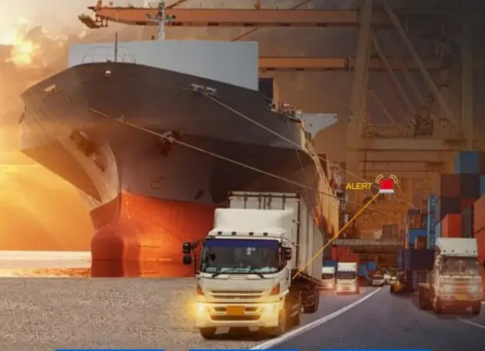

Source: https://www.eelinktech.com/gps-tracking-solutions/supply-chain-visibility-solutions/
Most teams think they have supply chain visibility when they have the carrier portals, tracking numbers, and a TMS with a map view. This feels enough until a shipment goes quiet for a few days, a cargo arrives spoiled, or a pallet never shows up at the destination. This gap becomes very expensive. So what does supply chain visibility look like? Let’s explore.
What You Can Track
Modern tracking devices can monitor well beyond location. Real supply chain visibility means you have location across air,road, sea, and rail routes, temperature inside a container or package, tilt and orientation changes with alerts when a parcel tips past 30 degrees, humidity levels, light exposure, shock and freefall events, motion and vibration, and door openings on trailers and containers.
Modern tracking devices can track these conditions continuously throughout the shipment’s journey and transmit the data. Hence, even if the shipment is passing through a dead zone, the sensor record stays intact.
For example, a light sensor triggers an alert when light exposure crosses 5.0 LUX, which means that a box that should have stayed sealed is opened. This can help you to act quickly in case of theft suspicion.
What You Should Track
For many operator teams, there is too much oversight that happens through carrier check-in alone or even when sensor technology is incorporated without any strategy. In case your shipment has a tight schedule, then tracking all the movements within each transit point will be critical. It helps you locate the exact location where the delay was triggered and the party that is currently in possession of the shipment. On the same note, if your goods need certain conditions, then temperature and humidity sensors should be on every shipment.
If theft and tampering are a risk in your routes, then shock monitoring and light detection are needed in your shipment tracking. Though real-time alerts don’t prevent every incident, they shrink the response window. Location tracking motion alerts are worth the investment if you manage high-value reusable assets like handtrucks, pallets, or equipment. Assets that cycle between multiple facilities tend to disappear gradually. The losses will accumulate quietly over months before you even notice the total.
Why Does it Matter?
Supply chain visibility is majorly needed for loss prevention. However, the purpose goes well beyond this. Sensor data from in-transit shipments builds a record that is useful when a customer files a damage claim, when a carrier disputes liability, or when a regulator asks for documentation of cold chain compliance. Without this record, your position is weak. This means claims will drag out, settlements will be made at your expense, and the root cause will never get fixed.
But with reliable sensor data, you know exactly what happened to the shipment and when. You will know if the temperature spiked before it left your facility or after being transferred to the second carrier. This information can help redirect liability and close a claim in your favor.
Geo-fencing is yet another benefit of utilizing GPS. Geo-fencing enables you to set your own geographical boundary within which you would be informed when your assets enter. This gives you enough time to respond, which is difficult to achieve with manual tracking.
Choosing the Right Threshold
Selecting the correct tracking platform is just as critical as selecting the correct sensors. If your system dumps the raw data directly into an Excel file, you have returned to square one, where your employees will have to analyze all of the information on their own. Ideally, you should opt for a system that allows you to configure different thresholds based on the type of shipment.
For example, while a frozen seafood pallet and an electronics shipment may require different temperature settings, the number of shocks they can withstand without damage is also very different. If you misconfigure your threshold settings, you will either spend your whole day chasing down phantom events or you will completely miss those that are real.
The Visibility Gap
Many businesses that use IoT solutions plan to expand their sensor monitoring. The next part is figuring out which data points actually matter for their specific cargo types and routes. So start with location and temperatures, add shock and light detection if theft or tampering is a concern. Once you understand your normal movement patterns well enough, you can add geo-fencing.
Also know that supply chain visibility without a reliable response plan is just data. Make sure you have the right sensors set to the right thresholds, and on the right assets.