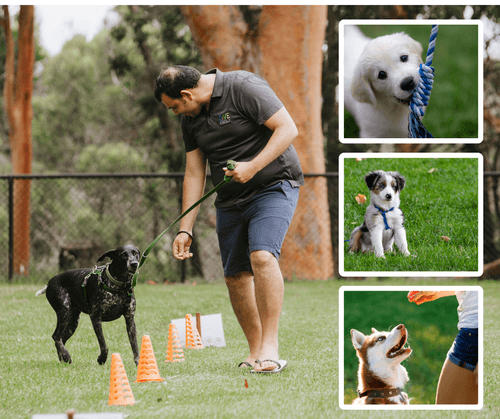

Choosing the right puppy school Castle Hill has become a key consideration for local pet owners aiming to establish a strong behavioural foundation for their dogs. With pet ownership rates steadily climbing and families prioritising structured early training, the quality and approach of local puppy schools now play a defining role in long-term outcomes.
Castle Hill’s growing population and community-driven lifestyle have made professional dog training an essential household service. The Australian Pet Training Services Market reports an 85% growth between 2023 and 2025, highlighting a nationwide shift toward evidence-based pet education.
The Critical Socialisation Window
Puppies have an important socialisation stage between the ages of 8 and 16 weeks, according to behavioral science. The most significant stage of development takes place prior to 12 weeks. Positive experiences throughout this brief period of development influence how dogs react to environmental stimuli throughout their adult lives.
Inadequate early socialisation is responsible for 73% of behavior issues in adult dogs, according to veterinary behavioral study. Puppies who participate in structured reward-based programs during this critical developing period avoid the need for expensive behavioral interventions later in life, according to RSPCA Australia.
Castle Hill’s geographic advantages include proximity to dog-friendly spaces such as Bidjigal Reserve. Improved accessibility via the Sydney Metro Northwest has positioned the suburb as an increasingly practical location for puppy training programs. The area now hosts several facilities offering structured early education programs designed to capitalise on this developmental period.
Evidence-Based Training Methodologies
When choosing a program, the training philosophy used by puppy schools is arguably the most important consideration. There are now obvious differences between the antiquated dominance-based techniques and evidence-based positive reinforcement strategies in animal behavioral science.
Play and snacks are used as rewards in positive reinforcement training to promote desirable behaviors. This approach fosters long-term behavioral retention while increasing trust between handlers and dogs. Compared to dogs trained with positive reinforcement methods, those trained with unpleasant approaches are 2.9 times more likely to exhibit aggression, according to studies published in veterinary behavioral publications.
Over 85% of professional trainers in Australia have switched to force-free techniques by 2025. This is a reflection of both changing consumer expectations and scientific consensus. The only scientifically proven way for teaching dogs is positive reinforcement, which is also the most successful training strategy.
Current research in ethology has methodically refuted traditional dominance-based training paradigms. As a result, high-quality puppy school programs in Castle Hill concentrate on reward-based learning models that improve training effectiveness and animal welfare.
Professional Credentials and Qualifications
Qualifications of trainers are trustworthy markers of program quality and solid methodology. The RSPCA training programs and the Delta Institute are recognised certifying bodies in Australia. Similar to this, international certificates from groups like the Certification Council for Professional Dog Trainers show that professional standards are being followed.
The Delta Institute’s Delta Dog Safe program encourages training based on science. RSPCA-certified trainers follow stringent animal care guidelines that place equal emphasis on behavioral and psychological results.
A consistent dedication to lifelong learning is a must for professional trainers. Reputable training companies have the proper public liability insurance and are open and honest about their credentials and methods.
Warning signs include trainers unwilling to discuss credentials or those lacking formal education in animal behavior. Evidence-based puppy training requires both practical experience and formal education in behavioral science.
Optimal Class Structure and Size
Seven to eight puppies per teacher is the maximum number of puppies that the American Kennel Club advises. Research on the dynamics of successful group learning serves as the foundation for this suggestion. Larger class sizes diminish training effectiveness and jeopardise individualised attention.
Trainers can better detect and handle individual learning issues when class sizes are smaller, according to research on educational results. The normal timeline for quality programs is four to six weeks. 50–60 minute sessions keep puppies’ attention spans intact without making them tired.
Supervised play periods and direct instruction are balanced in effective curriculum frameworks. This enables puppies to practice proper social behaviors as well as obedience responses. In order to reduce the danger of disease transmission, facilities should maintain strict hygiene standards.
Castle Hill venues increasingly offer climate-controlled environments that accommodate training throughout Sydney’s variable weather conditions. This is particularly beneficial during summer months when outdoor training becomes challenging.
Geographic and Logistical Factors
Castle Hill’s location in the northwest of Sydney gives its people easy access to a number of training facilities. Residents without their own vehicles can now access the suburb more easily because of the Sydney Metro Northwest’s enhanced public transportation connectivity.
The selection of a facility should take into account pragmatic factors like sufficient parking and timetable flexibility. Because of Castle Hill’s demographic makeup, program accessibility for working families is greatly impacted by the availability of both morning and evening class schedules. Travel distance affects the stress levels of puppies when they are being transported. Puppies and handlers experience less fear and regular attendance when they live close to their home.
Comprehensive Curriculum Components
Beyond teaching basic obedience instructions, evidence-based puppy programs teach broader life skills that are necessary for well-adjusted adult canines. While basic cues like sit and stay serve as the pillars of the curriculum, comprehensive programs also cover handling tolerance and bite inhibition.
The chance of developing harmful behaviors is considerably decreased by early intervention in these areas, according to research. Skills are gradually developed through progressive curricular structures. By doing this, puppies are guaranteed to grasp basic behaviors before moving on to more difficult ones.
Both separation anxiety prevention techniques and toilet training instruction are incorporated into reputable puppy school programs in Castle Hill. When it comes to creating confident adult dogs, these life skills are just as crucial as conventional obedience training.
Facilities such as Puppy to Dog School have structured their curriculum to address both obedience fundamentals and practical household behaviors. This reflects broader industry trends toward holistic early education approaches.
Evaluation Through Observation
Prospective clients should request opportunities to observe classes before enrollment. Quality training facilities readily accommodate this practice. Observation enables assessment of trainer-dog interactions and facility conditions in real-world contexts.
Key observation criteria include evidence of positive reinforcement techniques and appropriate stress management. Puppy body language provides important feedback. Relaxed puppies with loose body postures and wagging tails indicate positive learning environments.
Conversely, stress signals including excessive yawning or tucked tails suggest environmental or methodological problems. Handler engagement and facility cleanliness similarly inform quality assessments.
Financial Investment and Value
Castle Hill puppy training programs typically range from $150 to $300 for standard four to six week courses. Pricing variations reflect factors including class size and trainer qualifications. While cost represents a legitimate consideration, professional early training constitutes a preventive investment.
Behavioral problems requiring intervention in adolescent or adult dogs typically incur significantly higher costs through private consultations. Higher-priced programs often correlate with smaller class sizes and more experienced trainers holding advanced certifications. Unusually low pricing may indicate inadequate facilities or insufficient trainer qualifications.
Health and Safety Protocols
Responsible puppy schools implement strict vaccination and health screening protocols to protect young dogs from infectious diseases. Most facilities require proof of initial vaccinations and admit puppies following their second vaccination series.
This timing balances disease risk management with the imperative to provide socialisation during the critical developmental window. Facilities should maintain detailed cleaning schedules and require health screenings for all participants.
Coordination with veterinary professionals enhances program safety and effectiveness. Local veterinary clinics often maintain relationships with training facilities and can provide recommendations based on professional assessments of program quality.
Pre-Enrollment Inquiry Protocols
Prospective clients should prepare comprehensive question lists addressing training methodologies and class logistics. Quality trainers welcome detailed inquiries and provide transparent responses.
Critical questions include inquiries about training philosophy and handling of struggling learners. Trainer responses reveal both methodological approaches and professional attitudes toward client education.
Programs affiliated with recognised training facilities such as Puppy to Dog School typically maintain structured protocols addressing common client concerns. They provide detailed program information facilitating informed decision-making.
Making the Right Choice
Choosing the right curriculum necessitates a methodical assessment of several elements, such as professional credentials and evidence-based approaches. Beyond short-term training results, the choice affects long-term behavioral patterns.
The growing professional training community in Castle Hill provides locals with more advanced early canine education opportunities. Due to its growing infrastructure and demographics, the area is a convenient place to get high-quality puppy training services.
In order to achieve long-term behavioral results, professional puppy training during the crucial socialisation period is an evidence-based investment. Residents of Castle Hill should give preference to establishments that exhibit a dedication to comprehensive early education strategies and positive reinforcement techniques while assessing nearby programs.