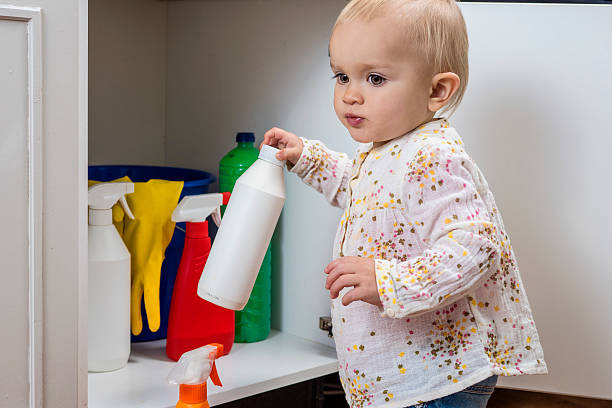

Australian families are now very concerned about the harmful chemical lurking childrens toys after the University of Technology Sydney released a new guide. According to the paper, children are frequently exposed to harmful compounds through furnishings, common childcare items, and toys.
The study, which highlights a major regulatory gap, was published in August 2024 by the Institute for Sustainable Futures. Australia has strong safety regulations for physical hazards, but because of intricate international supply chains and the development of novel compound compositions, chemical exposures frequently go unnoticed. This lack of openness puts children’s health at long-term danger and emphasises how urgently more stringent consumer protection laws and thorough product testing are needed.
The Scientific Foundation Behind Current Concerns
The UTS Toxic-Free Childcare Guide uses a thorough examination of chemical exposure pathways to identify alarming trends in the childcare sector. Approximately 350,000 chemicals are currently approved for usage worldwide, and 2,000 new compounds are added to the market every year. Very few have been thoroughly tested for long-term health consequences on developing youngsters.
The use of these compounds is not limited to industrial environments. They are consistently found in the things kids use on a regular basis, such as instructional materials, electronic gadgets, plush furniture, and plastic toys. In particular, the book highlights five main chemical categories that parents and regulatory agencies should pay quick attention to.
Phthalates are the most common cause for worry. These compounds give plastics their flexibility and are found in everything from vinyl flooring to teething toys. Recent epidemiological research, especially with regard to young infants whose endocrine systems are still in critical stages of development, links phthalate exposure to hormone disruption and developmental impairments.
Bisphenols, such as the well-known BPA, pose constant regulatory difficulties. Manufacturers commonly use BPS and BPF as alternatives to BPA, even though BPA is restricted in some products. Though they are subject to much less public knowledge and regulatory scrutiny, these alternatives might be just as risky.
Despite Australian regulations, heavy metals, especially lead and cadmium, are still found in imported children’s items. International testing programs routinely find alarming levels in children’s electronics, painted wooden toys, and costume jewelry.
Australian Regulatory Landscape: Progress and Persistent Gaps
Australia’s legal system reflects both fundamental constraints and progress. Choking dangers and mechanical safety procedures were the main topics of the 2023 update to toy safety standards by the Australian Competition and Consumer Commission. However, chemical safety laws continue to be increasingly reactive and dispersed.
Certain heavy metals in toy paints are limited by current rules, and certain phthalates are prohibited in children’s toys. DEHP, a phthalate that is especially problematic, is prohibited by law from being used in items meant for children younger than three. These actions mark significant advancements, but they don’t deal with the wider range of new chemical issues.
Enforcement actions are made more difficult by the complexity of global supply chains. Potential gaps in safety assurance could result from products made abroad not undergoing the same stringent testing as those made locally. Australian rules might potentially be strengthened in areas highlighted by the European Union’s recent announcement of tighter toy safety measures, including larger chemical limitations.
As parent awareness grows, retailers such as Complete Wholesale Suppliers are shifting their focus to product transparency and safety certificates. While giving worried families instant options, this market-driven strategy supports regulatory initiatives.
New Developments in Childhood Chemical Exposure Research
Recent worldwide research confirms worries about the dangerous chemicals present in household goods and toys for kids. More than 90% of kids tested positive for 34 potentially dangerous substances, including phthalates and BPA substitutes, according to a thorough 2025 UC Davis study. Importantly, children’s chemical concentrations were higher than those of their mothers throughout pregnancy.
Exposure time is especially important. Chemical effects can be more noticeable and long-lasting in young children than in adults because of their quickly developing organs and comparatively smaller body proportions. Their innate tendencies, like prolonged floor play and frequent hand-to-mouth contact, provide numerous exposure opportunities every day.
More than 100 chemicals found in plastic toy materials have been linked to potential health hazards for kids, according to a study from the Danish Technical University in Europe. This thorough investigation indicates that the dangerous chemicals present in children’s toys go beyond those that are currently regulated and encompass a wider variety of substances that need to be assessed.
Evidence-Based Family Protection Techniques in Australia
Parents who are worried about chemical exposure don’t have to drastically change their lifestyles or worry excessively about every item in the house to put tangible risk reduction techniques into practice.
Material Selection Principles:
- Give preference to toys made of natural materials whenever possible, such as untreated wood, organic cotton, or food-grade silicone.
- A few products that are clearly marked as “phthalate-free,” “BPA-free,” and “PVC-free”
- Steer clear of highly scented things or those that release strong chemical odors when they are opened.
- Investigate producers who offer clear chemical testing records.
Environmental Management Approaches:
- During and after the introduction of large toys or new furniture, increase ventilation.
- Use moist cloths to clean your home on a regular basis to collect dust that contains chemicals.
- Develop regular hand-washing practices, especially before bed and before meals.
- For main play areas, think about installing HEPA-filtered air purification systems.
Another way to lower risk is through routine maintenance procedures. To clean plastic toys, use mild soap solutions to get rid of accumulated dust and surface chemical residues. Older toys, especially those made prior to recent revisions to safety standards, should be examined more closely and possibly replaced.
Particular attention should be paid by parents to soft plastic objects that kids often mouth. These items present increased risks of chemical migration, particularly when heated by contact with the body or exposure to heat from the environment.
Considerations for Professional Evaluation
There are some situations that call for speaking with environmental health experts or pediatricians who are knowledgeable about chemical exposure issues. Thorough environmental evaluations may be helpful for kids exhibiting strange respiratory symptoms, chronic skin responses, or inexplicable developmental patterns.
When children spend a lot of time in certain surroundings or exhibit troubling symptom patterns, some families seek professional testing for home chemical concentrations. Although not required for every home, these tests can give families with particular risk factors useful baseline data.
Response of the Industry and Market Development
Priorities for chemical safety are becoming more widely recognised in the children’s product sector. Though implementation progress varies greatly between companies and product categories, major manufacturers are making large investments in safer production procedures and alternative materials.
In response to parents’ clear demand for openness, Australian shops are growing their certified non-toxic product ranges. A growing number of distributors, like Complete Wholesale Suppliers, carry products with thorough safety records and independent testing confirmation.
Advocacy groups are still working to improve Australian laws to conform to changing global safety standards. Although regulation reform usually takes a long time to execute, Australian policy development may be influenced by the recent European Union toy safety revisions.
Data Systems and Local Resources
Parent networks play a vital role in disseminating up-to-date information on advancements in product safety. Local daycare facilities and playgroups can work together to make purchase decisions, pooling resources to choose safer products.
Product recommendations and safety updates are shared in online forums devoted to chemical-free parenting. Instead of depending solely on unsubstantiated testimonies or claims made on social media, parents should confirm information using credible scientific sources.
Future Directions and Ongoing Research
The UTS study is part of a growing body of research on patterns of chemical exposure in children. Parents can expect better product formulations and more targeted advice as research approaches and knowledge grow.
The debate concerning the dangerous chemicals found in children’s toys is still growing in the fields of academia, regulation, and consumer activism. Research projects are currently looking at safer substitute materials, cumulative exposure effects, and enhanced testing procedures for new substances.
The emphasis is still on evidence-based decision-making, not on meticulous methods of avoiding chemicals. Making educated decisions can significantly lower exposure risks while preserving practical family functioning, although total eradication of all chemical exposure is not feasible in modern contexts.
This growing knowledge highlights the need for industry, government, manufacturers, and educated consumers to work together to solve the dangerous chemicals hidden in children’s toys. With up-to-date scientific knowledge, parents may overcome these obstacles while keeping a healthy outlook on children’s growth and play opportunities.