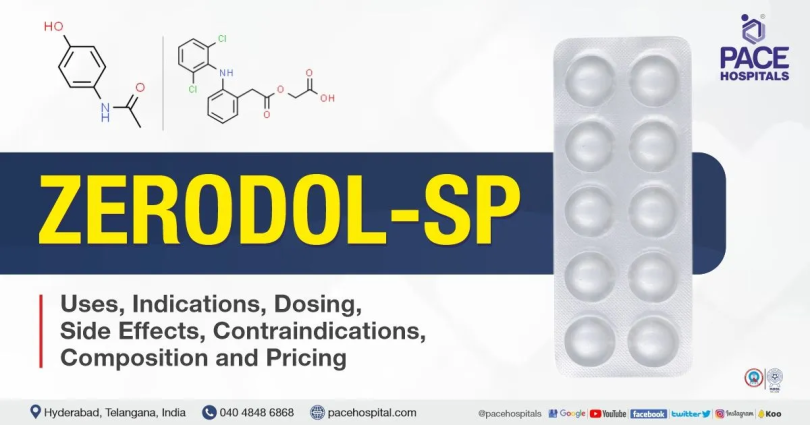

Zerodol P Tablet uses are widely recognized in managing pain, inflammation, and fever associated with different health conditions. This tablet is a combination of two active ingredients—Aceclofenac (a nonsteroidal anti-inflammatory drug, NSAID) and Paracetamol (a widely used analgesic and antipyretic). Together, these compounds provide effective relief from conditions such as arthritis, back pain, toothache, muscle stiffness, and post-operative discomfort.
In this detailed article, we’ll explore what the Zerodol P tablet is, its common uses, how it works, possible side effects, and precautions to consider before taking it.
What is a Zerodol P Tablet?
Zerodol P is a combination medication designed to reduce pain, inflammation, and fever. It works by blocking the production of chemical messengers (prostaglandins) responsible for causing pain, swelling, and fever in the body.
- Aceclofenac: A nonsteroidal anti-inflammatory drug (NSAID) that reduces inflammation and provides relief from stiffness and swelling.
- Paracetamol (Acetaminophen): Works on the brain’s pain centers and regulates body temperature, effectively lowering fever and easing discomfort.
This dual mechanism makes Zerodol P one of the most commonly prescribed medicines for pain-related conditions.
Common Zerodol P Tablet Uses
Doctors prescribe Zerodol P for a wide range of painful and inflammatory conditions. Some of the most common Zerodol P tablet uses include:
1. Arthritis and Joint Pain
Conditions like osteoarthritis, rheumatoid arthritis, and ankylosing spondylitis often cause chronic pain and stiffness. Zerodol P helps reduce inflammation in joints, easing mobility and improving quality of life.
2. Musculoskeletal Pain
Back pain, shoulder pain, neck stiffness, and sports injuries are commonly treated with this tablet due to its effective pain-relieving properties.
3. Post-Surgical Pain
After minor surgeries or dental procedures, doctors may prescribe Zerodol P to manage post-operative pain and swelling.
4. Fever Reduction
Thanks to paracetamol, the medicine is effective in controlling fever along with inflammation and discomfort.
5. Headache and Migraine Relief
Mild to moderate headaches, including migraine episodes, can be relieved with this combination medication.
6. Dental Pain
Tooth extractions, gum infections, or other dental treatments often require pain management, and Zerodol P is commonly used for this purpose.
How Does Zerodol P Tablet Work?
The effectiveness of Zerodol P lies in its dual-action formula:
- Aceclofenac blocks the release of prostaglandins, which cause inflammation and pain.
- Paracetamol acts on the hypothalamus in the brain, reducing fever and enhancing pain relief.
Together, they provide faster and stronger relief compared to either drug used alone.
Dosage of Zerodol P Tablet
The typical dosage for adults is one tablet twice daily, but it is always determined by the doctor depending on the patient’s condition, age, and medical history.
- Take the tablet with water after meals to avoid stomach irritation.
- Do not crush or chew the tablet.
- Never self-medicate or exceed the prescribed dose.
Possible Side Effects of Zerodol P Tablet
Like any medicine, Zerodol P Tablet Uses may cause side effects, though not everyone experiences them. Common side effects include:
- Nausea or vomiting
- Indigestion or heartburn
- Abdominal discomfort
- Dizziness or drowsiness
- Diarrhea or constipation
In rare cases, serious side effects such as liver damage, kidney issues, severe allergic reactions, or gastrointestinal bleeding may occur. If you experience persistent or severe symptoms, seek medical advice immediately.
Precautions Before Taking Zerodol P Tablet
1. Medical Conditions
- Avoid it if you have a history of stomach ulcers, liver disease, kidney disease, or heart problems.
- Not recommended for patients with uncontrolled hypertension or asthma without medical advice.
2. Pregnancy and Breastfeeding
- Consult a doctor before use. It should generally be avoided during pregnancy, especially in the third trimester.
- Nursing mothers should also seek medical advice before taking it.
3. Alcohol Consumption
- Avoid alcohol while taking Zerodol P as it can increase the risk of liver damage due to paracetamol.
4. Drug Interactions
- Inform your doctor if you are already taking other painkillers, blood thinners, antibiotics, or anti-hypertensive medications.
Alternatives to Zerodol P Tablet
Some alternatives with similar composition or action include:
- Aceclofenac + Paracetamol tablets under different brand names
- Ibuprofen and Paracetamol combinations
- Diclofenac-based pain relievers
Always consult your doctor before switching medications.
Lifestyle Tips Alongside Zerodol P Tablet
To manage pain and inflammation more effectively:
- Stay Active: Gentle exercises like yoga or stretching can reduce stiffness.
- Balanced Diet: Anti-inflammatory foods such as leafy greens, turmeric, and omega-3-rich foods help in recovery.
- Hydration: Drink plenty of water to support kidney function while on medication.
- Avoid Overuse: Don’t depend solely on tablets—focus on physiotherapy and lifestyle adjustments where possible.
When to Seek Immediate Medical Help
If you are on Zerodol P and notice any of the following symptoms, consult a doctor immediately:
- Severe abdominal pain or blood in stool
- Yellowing of skin/eyes (jaundice)
- Difficulty in breathing or chest pain
- Severe allergic reaction (rash, swelling, itching)
Conclusion
Understanding zerodol p tablet uses is essential for anyone prescribed this medication for pain, inflammation, or fever. It is highly effective in treating arthritis, musculoskeletal pain, dental discomfort, and post-surgical recovery. However, like all medicines, it should only be taken under medical supervision to avoid side effects or complications.
For more detailed information about Zerodol and related healthcare guidance, visit https://zerodolsp.com/