
Energy gummies have become a convenient option for people looking for an alternative to coffee, energy drinks, or traditional pre-workout supplements. Their compact format makes them easy to carry to the gym, take on a busy day, or keep in a travel bag. However, convenience should not come at the expense of understanding what you are consuming.
One of the most important details to check before buying energy gummies is their caffeine content. The amount can vary significantly between products, and the number of gummies in a serving may not be the same as the number you expect to take.
Whether you are comparing different energy supplements or researching lime blast energy gummies, understanding serving sizes, total daily caffeine intake, and potential side effects can help you make an informed decision.
Why Does Caffeine Content Matter in Energy Gummies?
Caffeine is a stimulant that acts on the central nervous system. It can temporarily increase alertness, reduce the perception of fatigue, and improve certain aspects of exercise performance in some people.
Energy gummies may contain caffeine as a primary active ingredient, but not every product uses the same amount. Some formulations may also contain other ingredients intended to support workout or everyday routines.
Caffeine Levels Can Vary by Product
The flavour of a gummy does not tell you how much caffeine it contains. Two products with similar packaging or fruit flavours may have very different formulations.
Always check the product label for the amount of caffeine per serving. If the quantity is not clearly stated, consult the manufacturer before using the product rather than estimating the amount.
More Caffeine Does Not Always Mean Better Results
A larger caffeine dose is not automatically more effective. Higher intake can increase the likelihood of unwanted effects, including nervousness, a racing heartbeat, digestive discomfort, and difficulty sleeping.
The right approach is to consider your individual tolerance, your intended activity, and your caffeine intake from other sources.
How to Read the Caffeine Label on Energy Gummies
Understanding a supplement label is essential when comparing energy gummies. The most useful information includes the serving size, caffeine per serving, complete ingredient list, directions, and safety warnings.
Check the Serving Size First
A container may include many gummies, but that does not mean the entire container represents one serving. Some products define a serving as one gummy, while others may specify two or more.
Read the serving instructions carefully and identify the amount of caffeine provided by that serving. Avoid assuming that each gummy contains the same amount as the full serving.
For example, if a hypothetical product provides 80 milligrams of caffeine per serving and the serving contains two gummies, each gummy would provide 40 milligrams, assuming the caffeine is evenly distributed.
Look for Caffeine in the Ingredient Information
Caffeine may appear as a named ingredient, such as caffeine anhydrous, which is a concentrated form of caffeine commonly used in supplements. The product label should make it possible to understand the amount provided.
If the label lists a proprietary blend without clearly identifying the caffeine quantity, it can be difficult to assess your intake accurately. Consider choosing products with transparent ingredient information.
Read the Full Supplement Directions
The label may include timing recommendations, maximum serving instructions, age restrictions, and warnings about combining the product with other stimulants.
Follow the directions provided by the manufacturer. Do not take extra gummies because you do not immediately notice an effect, as caffeine’s effects can take time to develop.
How Much Caffeine Is Safe to Consume Daily?
Caffeine tolerance differs from person to person. Body size, sensitivity, medications, health conditions, pregnancy status, and habitual caffeine use can all affect how someone responds.
The US Food and Drug Administration states that, for most healthy adults, 400 milligrams of caffeine per day is an amount not generally associated with negative effects. This is a general reference point, not a recommended target or a guarantee that this amount will be suitable for everyone.
Count Caffeine From Every Source
Energy gummies are only one possible source of caffeine. Coffee, tea, energy drinks, pre-workout supplements, cola, chocolate, and certain medications may also contribute to your daily intake.
For a simple example, imagine that someone consumes 100 milligrams of caffeine from coffee, 80 milligrams from an energy drink, and 60 milligrams from a supplement. Their total would be 240 milligrams for that day.
These figures are illustrative. Actual caffeine content varies by product, serving size, and preparation method.
Consider Individual Sensitivity
Some people experience jitteriness, anxiety, headaches, or sleep disruption after relatively small amounts of caffeine. Others may tolerate more without noticing immediate symptoms.
If you are sensitive to stimulants, consider whether you need a caffeinated supplement at all. People with certain health conditions or those taking medications that may interact with caffeine should seek advice from a qualified healthcare professional.
Special Considerations for Younger People and Pregnancy
Children and teenagers should not use energy supplements without appropriate professional guidance, and many products are not intended for them. Caffeine can also affect sleep, mood, and cardiovascular symptoms.
During pregnancy, caffeine intake requires additional care. The American College of Obstetricians and Gynecologists advises limiting caffeine to less than 200 milligrams per day during pregnancy. Anyone who is pregnant or breastfeeding should discuss supplement ingredients with their healthcare professional before use.
What Are the Common Side Effects of Too Much Caffeine?
Caffeine can be useful for some people, but consuming more than you tolerate may cause unpleasant effects. These can occur when taking too many gummies or combining a supplement with several other caffeinated products.
Short-Term Side Effects
Possible side effects include:
- Restlessness, nervousness, or shakiness.
- A fast or pounding heartbeat.
- Headaches, nausea, or digestive discomfort.
- Difficulty falling asleep or staying asleep.
The likelihood of these effects depends on the amount consumed and individual sensitivity. If a product consistently makes you feel unwell, stop using it and seek medical advice where appropriate.
Know When to Seek Help
Severe symptoms, such as chest pain, fainting, significant breathing difficulties, seizures, or a very rapid or irregular heartbeat, require urgent medical attention. Suspected caffeine overdose should be treated seriously.
Do not attempt to manage severe symptoms by taking additional supplements or waiting for the effects to pass.
When Should You Take Energy Gummies?
The appropriate timing depends on the product’s instructions, your activity, and your sensitivity to caffeine. Some people use caffeine before exercise, while others consider it when they need temporary alertness during the day.
Before a Workout
Caffeine may improve certain exercise outcomes for some people, but its usefulness depends on factors such as dose, timing, workout type, and tolerance.
If you are considering energy gummies before training, follow the label and avoid combining them with another pre-workout product unless you have checked the total stimulant content. Test your response cautiously rather than experimenting with high doses before an important workout.
Avoid Taking Caffeine Too Close to Bedtime
Caffeine can interfere with sleep, and its effects may continue for several hours. The timing varies according to the individual and the amount consumed.
If you train in the evening or have an early bedtime, a caffeinated gummy may not be the right choice. Good sleep is important for energy, concentration, and exercise recovery, so avoid sacrificing rest for temporary alertness.
How to Choose Energy Gummies With Safety in Mind
A good purchasing decision begins with the label, not the flavour or marketing claims. Look for products that clearly communicate their ingredients, caffeine quantities, serving size, and intended use.
Use This Quick Buying Checklist
Before choosing an energy gummy, check that:
- The caffeine amount per serving is clearly stated.
- The recommended serving and usage directions are easy to understand.
- The complete ingredient list and relevant warnings are available.
- The product is appropriate for your age, health circumstances, and intended use.
- The manufacturer provides clear product information and storage instructions.
It is also worth comparing cost per serving, flavour preferences, and portability. However, these practical considerations should come after ingredient transparency and safety.
What to Check Before Buying Lime Blast Energy Gummies
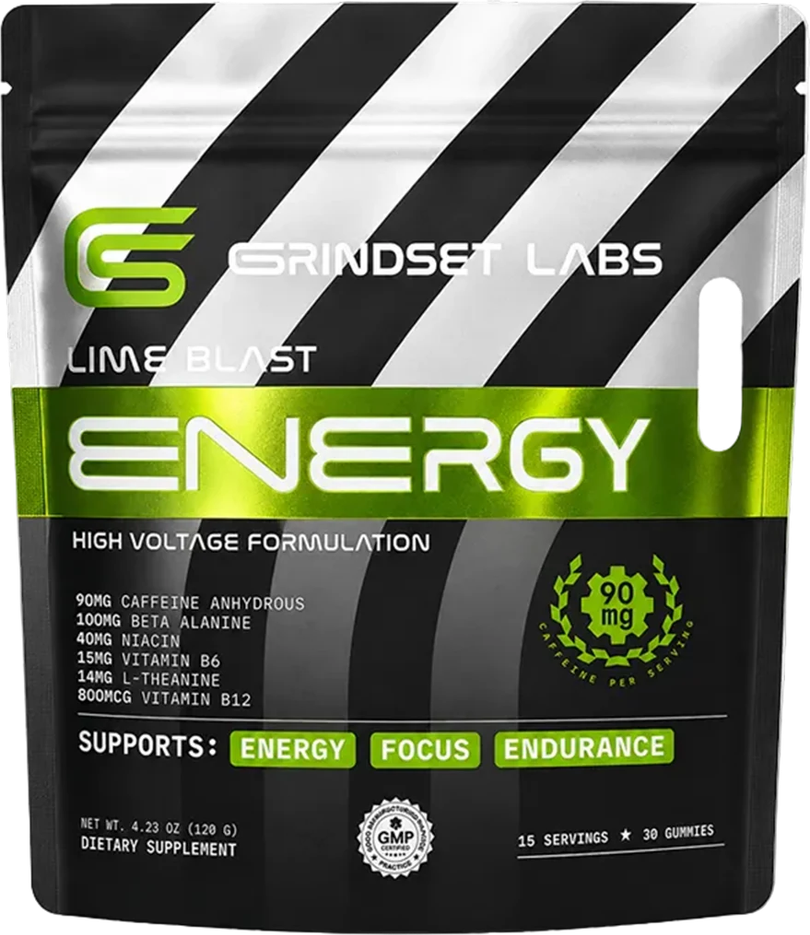
If you are researching lime blast energy gummies, confirm the current product details before purchasing. Flavour, ingredient quantities, caffeine content, and recommended use should be verified directly from the product listing and label.
Do not assume that every flavour has the same formula or caffeine level. If the listing does not clearly state the caffeine amount per serving, contact the manufacturer for clarification before use.
You can review the Lime Blast Energy Gummies product information from Grindset Labs to check the current flavour availability, ingredient details, serving instructions, and relevant precautions.
Final Thoughts on Caffeine in Energy Gummies
Energy gummies can be convenient, but understanding their caffeine content is essential before adding them to your routine. Check the serving size, calculate your total daily intake from all sources, and pay attention to warnings and possible side effects.
Remember that the general adult caffeine reference of 400 milligrams per day is not suitable for everyone. Personal tolerance, medical circumstances, and sleep requirements should guide your choices.
By prioritising transparent labelling, responsible serving sizes, and realistic expectations, you can make a more informed decision when comparing energy supplements.
Grindset Labs offers supplement products for people exploring convenient additions to their fitness and daily wellness routines. Review each product’s current ingredients, serving directions, and safety information before use.