
Mushroom gummies have become a recognizable product format for consumers exploring mushroom-based products. Their compact size, chewable texture, and variety of flavor options make them different from traditional capsules, powders, teas, and other preparations. However, not all mushroom gummies contain the same ingredients, serve the same purpose, or follow the same quality standards.
Before choosing a product, it helps to understand what the term means, how formulations can differ, and which details deserve attention on a product label. Flavor and convenience may influence a purchase, but ingredient transparency, manufacturing information, and an understanding of the product’s intended use are equally important.
What Are Mushroom Gummies?
Mushroom gummies are chewable products formulated with mushroom-derived ingredients or other compounds associated with mushroom products. The exact formulation depends on the manufacturer and the specific product.
Some products use extracts from mushrooms commonly included in functional food and supplement formulations. Others may contain different ingredients, so the name alone does not establish what a gummy contains. Consumers should always read the complete ingredient list instead of assuming that all products offer the same composition.
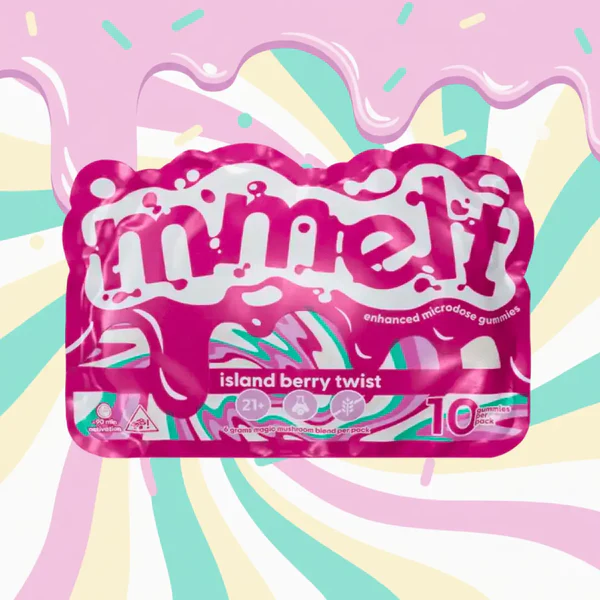
The gummy format is popular partly because it is familiar and portable. Unlike powders that need to be measured or mixed into a drink, gummies come in preformed pieces. Their appearance and taste can also make them resemble ordinary confectionery, which is one reason clear packaging and responsible storage matter.
For shoppers comparing options, the first step is to identify the ingredients and intended use rather than relying exclusively on product names or marketing descriptions.
Why Are Mushroom Gummies Available in So Many Flavors?
Flavor is an important part of the gummy format. Fruit-inspired varieties can make products more appealing to people who prefer a chewable option over capsules or powders. They also give brands a way to distinguish their product ranges.
Depending on the product line, shoppers may encounter flavors inspired by berries, citrus fruits, tropical fruit combinations, or sour candy. These descriptions refer to flavor profiles, not necessarily the ingredients used in the formulation.
A fruit-flavored gummy, for example, does not automatically contain a meaningful quantity of real fruit. The ingredient panel may list fruit concentrates, flavoring ingredients, sweeteners, or a combination of these. Anyone monitoring sugar intake or avoiding particular ingredients should review the label carefully.
Flavor preferences are personal, so there is no universally best option. Some consumers prefer sweeter fruit profiles, while others enjoy a tangier taste. The more useful comparison is between products with clearly disclosed ingredients and understandable product information.
Different Formats of Mushroom Products
Mushroom gummies are only one format in a wider category of mushroom-based products. Understanding the differences can help shoppers navigate product collections without assuming that different formats are interchangeable.
1. Chewable Gummies
Gummies are preformed chewable pieces. Their main format-related advantages are portability and convenience. However, consumers still need to verify the ingredients, serving information, and any warnings supplied by the manufacturer.
The mushroom gummies collection provides a starting point for reviewing the available product range. Check the information listed for each item before deciding whether it matches your needs.
2. Mushroom Chocolates
Chocolate products offer a different texture and eating experience. Depending on the formulation, they may be presented as bars, squares, or other portioned formats.
Anyone comparing these products with gummies should look beyond appearance. The ingredient composition, serving guidance, and relevant safety information may differ considerably between products.
The mushroom chocolate collection is a separate category worth reviewing when comparing available formats.
3. Mushroom Shots
Liquid shots provide another format within the mushroom product category. They are packaged differently from chewable gummies and solid chocolate products, and their ingredients and serving directions may also differ.
The mushroom shots collection allows shoppers to examine this product category separately rather than treating every mushroom-based product as equivalent.
No format should be considered safer, more effective, or more suitable simply because of how it is packaged. Those questions depend on the actual formulation, the evidence available for its ingredients, and the product’s intended use.
What Should You Check Before Buying Mushroom Gummies?
A little label research can help consumers make more informed decisions. Several details deserve attention before purchasing any mushroom gummy product.
Read the Full Ingredient List
Start by identifying the ingredients included in the formulation. If a product refers to mushroom extracts, check whether the label identifies the mushroom species and provides meaningful information about the extract.
Pay attention to sweeteners, flavorings, allergens, and other ingredients that may matter to you. If the product description uses broad terms without explaining the formulation, look for additional documentation or ask the manufacturer for clarification.
Look for Clear Serving Information
Packaging should explain how the product is intended to be used and provide relevant serving information. Do not assume that two gummies from different brands contain comparable amounts of an ingredient simply because they look similar.
Follow the product’s stated directions and warnings. Avoid taking additional servings based on assumptions about how quickly a product should work.
Check Manufacturing and Testing Information
Reliable product information should make it possible to understand who manufactures the product and what quality controls are used. Where relevant, look for credible third-party testing documentation that corresponds to the specific product or batch.
A general statement such as “premium quality” is not a substitute for verifiable information. If testing is claimed, consumers should be able to understand what was tested, who performed the testing, and what the results cover.
Review Warnings and Legal Requirements
The word “mushroom” covers a broad range of species and preparations. Some mushroom-derived ingredients are used in conventional food products, while other mushroom products may contain substances subject to specific restrictions.
Check the actual ingredients and the applicable laws in your location. Do not assume that a product is legal, suitable for consumption, or appropriate for a particular person simply because it is sold online.
Products containing psychoactive or otherwise regulated substances require particular caution. Do not rely on candy-like packaging, flavor descriptions, or marketing language to judge their effects or risks.
Consider Storage and Packaging
Packaging should provide appropriate storage instructions, ingredient information, and warnings. Keep products in their original packaging and follow the manufacturer’s storage directions.
Because gummies can resemble ordinary sweets, they should be stored securely and kept away from children and pets. They should never be left where someone could mistake them for regular candy.
Are Mushroom Gummies the Right Format for Everyone?
A convenient format does not automatically make a product appropriate for every consumer. Suitability depends on the ingredients, the person’s circumstances, and the product’s intended purpose.
People with allergies or dietary restrictions should examine the label closely. Anyone taking medication, managing a health condition, or uncertain about the effects of an ingredient should seek advice from a qualified healthcare professional before using a supplement or unfamiliar mushroom product.
Extra caution is warranted when the formulation is unclear or the manufacturer does not provide adequate safety information. If the product contains a controlled or psychoactive substance, its risks and legal status must be considered separately from those of conventional food supplements.
It is also important to distinguish marketing claims from scientific evidence. A product description that mentions wellness, focus, energy, or other benefits does not establish that the finished product produces those effects. Look for reliable evidence relevant to the actual ingredients and formulation.
Online Shopping: How to Compare Products Carefully
Online shopping makes it possible to review multiple product formats without visiting several stores. It also places more responsibility on the buyer to evaluate the information provided on each product page.
Start by checking whether the seller clearly identifies the product, its ingredients, its manufacturer, and its applicable warnings. Product photographs and flavor descriptions can help distinguish varieties, but they should not replace written formulation details.
Next, compare the information available across products. A useful comparison considers ingredient transparency, serving instructions, packaging, storage requirements, and verifiable quality information. Price alone is not a reliable measure of quality.
Pay attention to the seller’s shipping, returns, and customer-support policies as well. Before placing an order, confirm that the product can legally be purchased and delivered to your location. Requirements may differ depending on the ingredients and jurisdiction.
Finally, be cautious of unsupported claims that promise dramatic effects or suggest that a product has no risks. Responsible product information should describe what is known, acknowledge relevant limitations, and avoid presenting uncertain benefits as established facts.
Final Thoughts
Mushroom gummies offer a familiar chewable format within a diverse category of mushroom-based products. Their flavor options and compact packaging may appeal to some shoppers, but the format itself says little about a product’s ingredients, quality, or suitability.
A careful purchase starts with the label. Review the formulation, look for meaningful manufacturing and testing information, follow the stated directions, and consider relevant warnings and legal requirements. Comparing gummies with chocolate or liquid products can also help clarify the differences between available formats.
The most useful approach is to make decisions based on transparent product information rather than flavor names or broad marketing claims. With careful research, consumers can better understand what a product contains and identify the questions they should resolve before making a purchase.