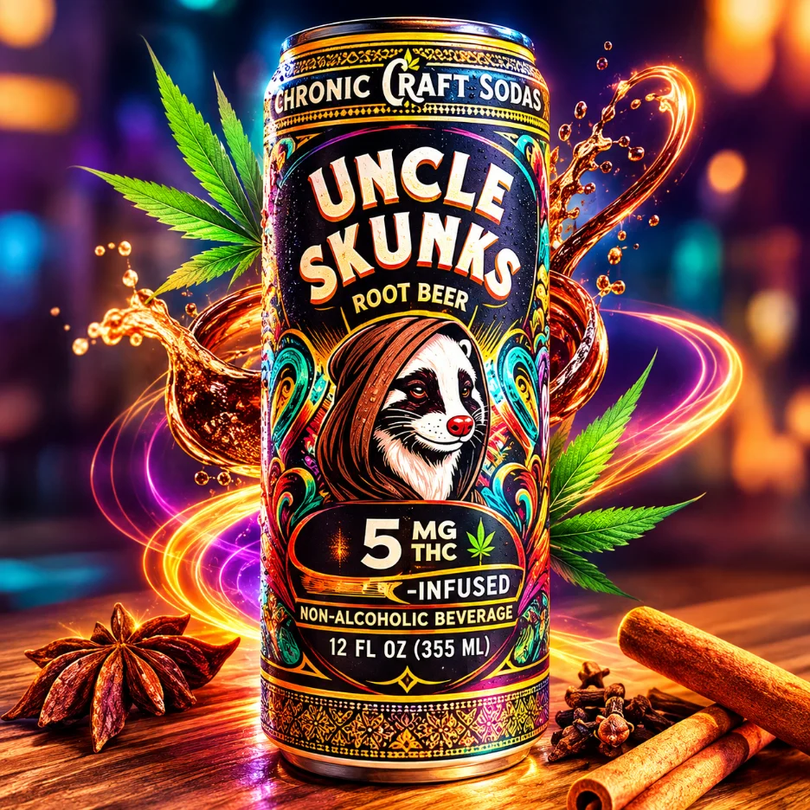

Cannabis beverages are gaining attention across the United States as consumers explore alternatives to traditional drinks and other cannabis products. From sparkling beverages to fruit-flavored refreshments, the market offers different ways to experience cannabis in a familiar format. A THC CBD drink combines two well-known cannabis compounds, THC and CBD, in a beverage designed for adult consumers. Brands such as Uncle Skunks are part of the wider conversation around cannabis products, changing consumer preferences, and the demand for more varied beverage choices. Understanding these drinks, their formulations, and the regulations surrounding them helps explain their place in the growing cannabis beverage market.
Why Cannabis Beverages Are Attracting Consumer Interest
Cannabis beverages offer a different format from traditional products such as flower, oils, and edibles. They can resemble familiar drinks, including sparkling water, sodas, teas, and fruit beverages.
Several factors contribute to interest in cannabis-infused drinks:
- Familiar formats: Consumers already understand how to enjoy beverages, making the format easy to recognize.
- Product variety: Different flavors, serving sizes, and cannabinoid combinations allow brands to offer more choices.
- Changing preferences: Some adults are interested in alternatives to alcohol or conventional cannabis consumption methods.
- Convenient packaging: Cans and bottles are easy to store, transport, and identify when labels provide clear information.
These factors help explain why beverage manufacturers are exploring cannabis-infused formulations. However, THC-containing drinks can cause impairment, and their effects vary according to the dose, formulation, and individual tolerance.
Understanding the Difference Between THC and CBD
THC and CBD are cannabinoids found in cannabis, but they interact with the body differently.
- THC: Tetrahydrocannabinol is the primary intoxicating compound associated with the cannabis high. It can affect mood, perception, coordination, attention, and reaction time.
- CBD: Cannabidiol is generally not intoxicating in the same way as THC. However, it can cause side effects and interact with certain medications.
- Combined formulations: Some beverages contain both compounds in different proportions, creating product variations that consumers should understand before purchasing.
A THC CBD drink may contain more THC, more CBD, or a balanced combination. Consumers should check the label for the amount of each cannabinoid per serving and per container instead of assuming every product has the same strength. The ratio of THC to CBD does not guarantee a particular experience. Individual responses vary, particularly among people with little or no previous cannabis experience.
How Beverage Formulation Affects Product Quality
Developing a cannabis beverage involves more than adding cannabinoids to a liquid. Manufacturers must consider taste, ingredient stability, consistency, and shelf life.
Key formulation considerations include:
- Ingredient distribution: Cannabinoids do not naturally mix well with water, so some manufacturers use emulsification technologies to distribute them throughout the beverage.
- Flavor balance: Cannabis ingredients can have earthy, herbal, or bitter notes. Fruit flavors, carbonation, and other permitted ingredients may help balance the taste.
- Product consistency: Appropriate manufacturing controls help ensure that cannabinoid content remains consistent across servings.
- Packaging and storage: Light, temperature, and other environmental conditions may affect product quality, depending on the formulation.
Brands such as Uncle Skunks are part of a product category where formulation, labeling, and accessible product information matter to consumers evaluating cannabis beverages.
What Consumers Should Check Before Purchasing
Cannabis beverage labels contain important details that help consumers compare products and understand what they are buying.
Before purchasing, consumers should review the following:
- THC content: Check the milligrams of THC per serving and per entire container.
- CBD content: Review the amount of CBD separately rather than relying on general product descriptions.
- Serving size: A container may contain multiple servings, meaning drinking the entire beverage could result in consuming more cannabinoids than intended.
- Ingredients: Check sweeteners, flavorings, allergens, and other ingredients that may affect personal preferences.
- Laboratory testing: Where available, look for independent testing that verifies cannabinoid potency and screens for contaminants.
- Storage instructions: Follow the manufacturer’s directions and keep products away from children and pets.
THC beverages may take time to produce noticeable effects. Onset can vary according to the formulation, food intake, metabolism, and individual factors. Consuming more because the effects are not immediate may increase the risk of an unpleasant experience.
Responsible consumption practices include:
- Avoiding driving or operating machinery after consuming THC.
- Keeping beverages securely stored away from minors.
- Never assuming that CBD eliminates THC-related impairment.
- Following local laws and product instructions.
Regulations and Product Safety Across the United States
Cannabis beverage regulations vary across the United States. State laws differ regarding production, sales, possession, permitted THC concentrations, and distribution. A product that is available in one state may not be legal in another.
Federal rules also matter. Hemp-derived and marijuana-derived products may fall under different legal frameworks, but the source of a cannabinoid does not automatically make a finished beverage lawful.
Businesses entering the cannabis beverage market may need to consider:
- Licensing requirements: Confirming which permits apply to manufacturing, distribution, and retail sales.
- Packaging and labeling: Providing accurate cannabinoid amounts, serving sizes, and required warnings.
- Quality standards: Following applicable manufacturing and laboratory testing requirements.
- Advertising restrictions: Avoiding unsupported medical claims and misleading statements about product effects.
- Age restrictions: Following the rules governing who can purchase and consume the products.
For consumers, purchasing from legally authorized sources where required and reviewing reliable product information can help reduce uncertainty. Regulatory compliance remains essential for businesses operating in this category.
How Cannabis Beverage Brands Can Build Consumer Trust
The expanding beverage category creates opportunities for businesses, but consumer trust depends on more than attractive packaging or unusual flavors. Buyers need accurate information to compare products and make informed decisions.
Brands can build credibility through practical measures:
- Clear labeling: Display cannabinoid amounts, ingredients, serving sizes, and required warnings in an easy-to-read format.
- Consistent quality control: Maintain production standards and appropriate testing procedures.
- Honest product descriptions: Explain the formulation without guaranteeing specific effects.
- Regulatory awareness: Review applicable requirements for manufacturing, marketing, distribution, and sales.
- Consumer education: Explain the differences between THC and CBD, potential impairment, and responsible storage.
Uncle Skunks can be included in discussions about the cannabis beverage market as consumers and businesses pay greater attention to product formats and cannabinoid information. For brands operating in this category, transparent communication and responsible product practices can help establish credibility with adult consumers.
What the Future May Hold for Cannabis Beverages
Product development is likely to continue focusing on flavor, formulation, packaging, and consistent cannabinoid content. Manufacturers may explore different beverage styles, lower-dose options, and combinations of cannabinoids to meet varying consumer preferences.
Several factors may influence the market’s direction:
- Product innovation: New flavors, carbonation levels, and beverage formats may expand the range of available products.
- Consumer education: Clear serving information and accessible testing details can help buyers understand product differences.
- Retail availability: Changes in state laws and distribution policies may affect where products can be sold.
- Quality expectations: Consistency, accurate labeling, and reliable manufacturing practices may influence purchasing decisions.
Market growth will depend on more than consumer demand. Legal requirements, product safety, manufacturing standards, and public understanding will also shape the industry’s future.
Final Thoughts
THC and CBD beverages represent a distinct category within the US cannabis industry, combining familiar drink formats with different cannabinoid formulations. Their continued development creates opportunities for product variety, but accurate labeling, legal compliance, and awareness of impairment remain essential. Consumers benefit from understanding what each beverage contains, while businesses can strengthen their reputation through transparent information and responsible practices. Contact us today to learn more about cannabis beverage trends, product information, and responsible market practices. Explore the factors shaping this category and make informed decisions based on clear labeling, quality standards, and applicable regulations.